Why One New Router Grounded US Flights: The FAA Ground Stop Explained
A new router, a flood of connection requests and aging equipment paused every US departure. Here is what officials confirmed and what is still unknown.
In this story 6 sections
The FAA ground stop on November 13, 2026 halted every US departure for about four hours. Officials say a new router sent a flood of connection requests into the air traffic control network, which made radar and radio links unreliable. Controllers grounded flights as a precaution. Officials found no sign of a cyberattack.
This explainer is for anyone who watched departures vanish from the board and wondered how a piece of networking gear could do that. It covers what happened, how a network flood works, and which parts of the story are still disputed. Oddworldz covers how the internet and its machinery behave, and this outage is a rare, very public example.
What happened during the FAA ground stop on November 13?
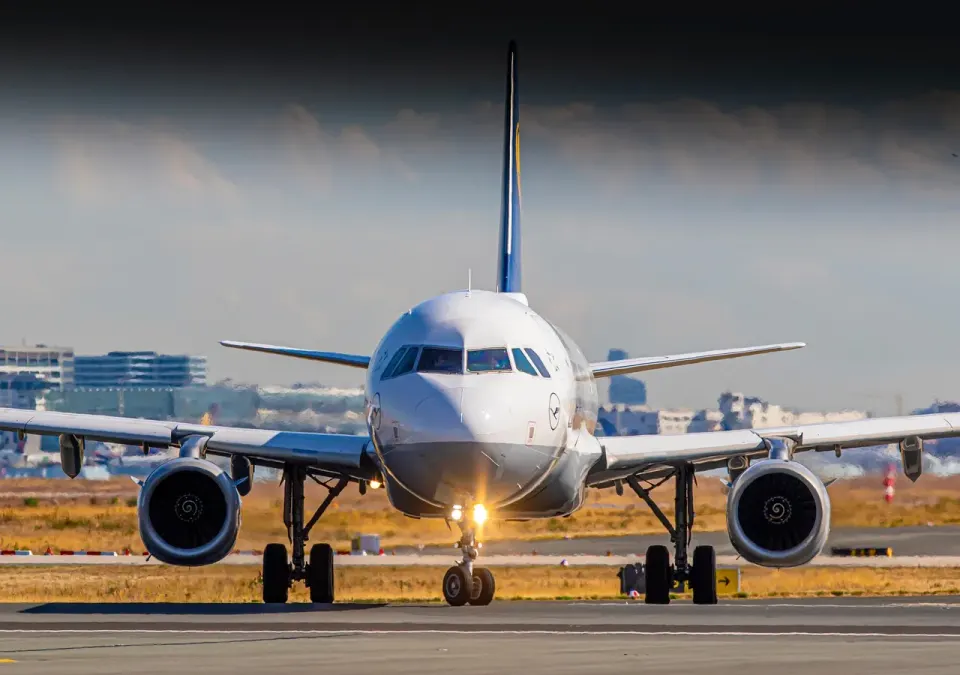
On Friday, November 13, 2026, the FAA stopped all departures across the United States at roughly 3:54 p.m. Eastern. The stop lasted about four hours and 25 minutes. The communications problem hit air route traffic control centers, the facilities that guide planes between airports.
The Department of Transportation said the telecommunications problems affected the stability of communications and radar systems used by air traffic control. In its update on restoring the airspace, the department said controllers safely landed more than 3,500 aircraft that were already in the air. More than 8,000 flight operations resumed the night the stop lifted.
The FAA runs 21 of these centers in the continental US, according to its own air traffic by the numbers fact sheet. Each one covers a large slice of sky. When their links to each other and to radar sites get shaky, the safe choice is to stop launching new flights.
Al Jazeera noted that this was the first nationwide US ground stop since January 2023. That earlier event came from a failed computer system, not a network flood. Cause and fix were different, but the outcome looked the same from the terminal.
How can one new router flood a network?
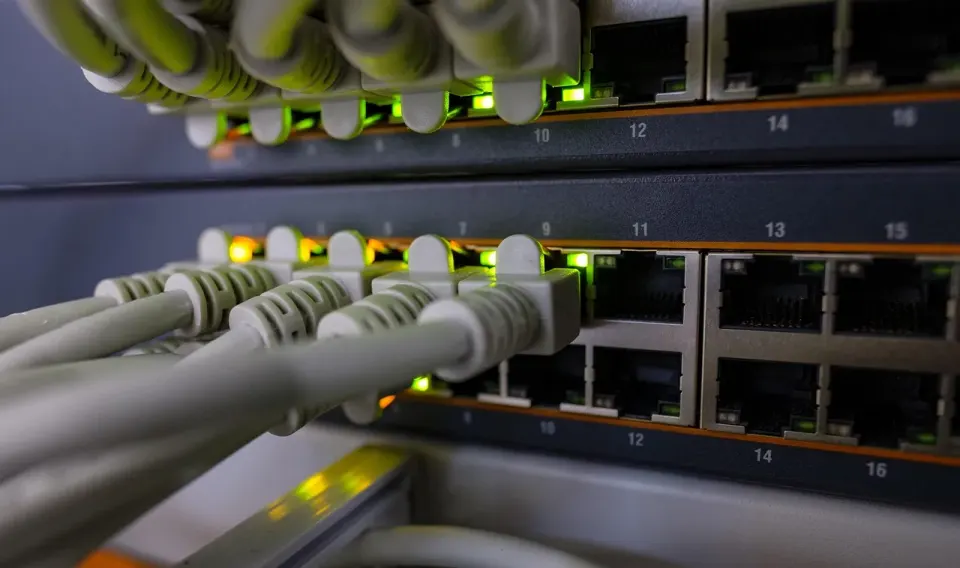
A router can flood a network when it sends far more traffic than other devices can process. Every device has a limit on how many connection requests it can handle per second. Past that limit, it drops messages, delays them or gives inconsistent answers.
According to General Aviation News' report on the FAA's explanation, legacy telecommunications equipment was hit with about 1,000 connection attempts every four to five seconds. The agency traced the traffic to two places. One was a radar site in Amarillo, Texas. The other was a radio communications facility in El Dorado, Arkansas.
The network provider, L3Harris, had been installing a new router at the Arkansas site. Transportation Secretary Sean Duffy described the flooding as a router being replaced during the move from copper to fiber that began flooding other routers.
Network engineers have a name for the general pattern: a broadcast storm. A message meant for many devices gets copied and re-sent again and again until it crowds out everything else. Officials have not publicly used that exact label for this event. The description of routers repeating a broadcast function is simply the closest everyday comparison.
Think of a group chat where one phone starts replying to every message with ten copies. Soon nobody can find the real conversation. Now picture that group chat carrying radar positions.
Older equipment makes this worse. Many network devices keep a fixed-size table of the connections they are tracking. Once the table fills, new and legitimate connections get squeezed out. A newer device with more memory might shrug off the same flood. That is a general property of networking gear, not a confirmed detail of the FAA's hardware, which the agency has not fully described.
Why does a network glitch ground every plane?
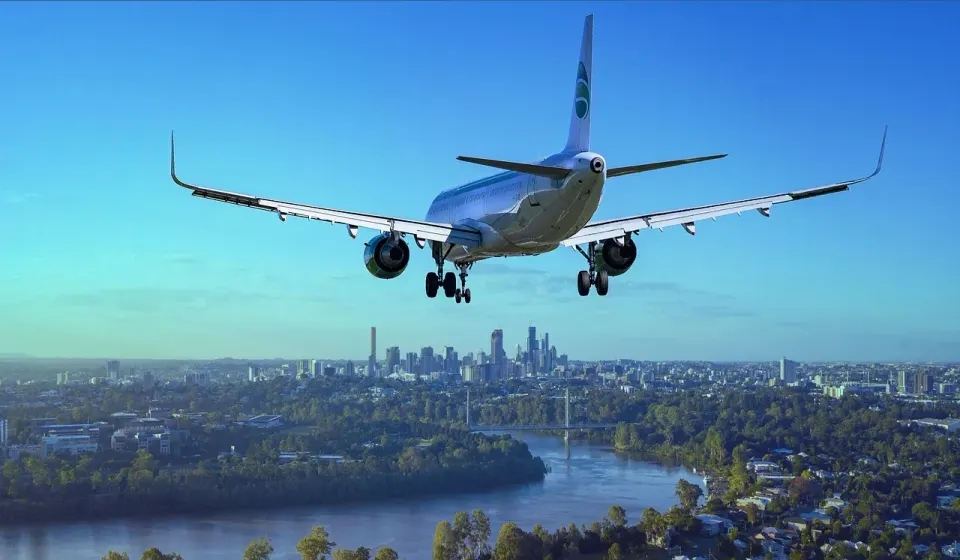
A network glitch grounds planes because controllers need trustworthy data to separate aircraft safely. If radar feeds or radio links give inconsistent information, controllers cannot be sure what they see. A pause on takeoffs buys time to fix the problem without adding new planes to the sky.
The FAA describes its telecommunications backbone as essential. Its National Airspace System Capital Investment Plan calls the FTI program's telecommunications services essential to the operations of the airspace system and the agency. FTI stands for FAA Telecommunications Infrastructure, the network that links towers, centers and radar sites.
Because that network is shared, trouble in one corner can travel. Duffy said the router problem caused inconsistent data across the system, and the FAA chose to shut things down rather than risk it. That is how a fault at one site in Arkansas can become a national story within minutes.
Outages that spread this way are a recurring theme. Oddworldz's earlier look at how health checks can spread a failure shows the same shape: a small problem, a shared dependency and a wide blast radius.
What do officials know, and what is still disputed?
Officials have confirmed several facts. Technicians blocked traffic from both originating locations. They also turned off the broadcasting function on about 60 similar routers across the system. The FAA said there was no indication of a cyberattack, and critical life-saving, law enforcement and military operations continued.
The picture was less settled in the first days. On November 14, CNBC reported that the FAA said the root cause was unknown. By November 16 the agency had named the router installation as the trigger. The FAA also suspended installing that type of router while the review continues.
Some points remain contested. Critics, including air traffic controllers quoted in news coverage, disputed parts of the official explanation. Others pointed to aging equipment as the real weakness. The FAA also expanded an AI-based traffic management tool the week before, but the vendor and the agency both said it played no role.
| Question | Status | What we know |
|---|---|---|
| Did a router trigger the flood? | Confirmed by the FAA | A new router at the Arkansas site was involved. |
| Was it a cyberattack? | No sign found | Officials said there was no indication of one. |
| Did the AI traffic tool play a role? | Denied | The FAA and the vendor both said it did not. |
| Why could the old equipment not cope? | Still open | Investigators have not published a full answer. |
At Oddworldz, we keep three buckets for stories like this: confirmed, disputed and unknown. Here, the router trigger and the lack of a cyberattack are confirmed. Why legacy equipment could not absorb the flood is only partly explained. A full investigation will have to answer the rest.
Money is part of the debate too. Duffy asked Congress for tens of billions of dollars to overhaul and modernize the air traffic control system. Supporters say the outage proves the need. Skeptics say a single router installation is a narrower problem than a full rebuild. Both sides can be partly right, because a modern network would still need careful change management.
What does the FAA ground stop mean for travelers?
For travelers, the main lesson is that a ground stop is a pause, not a cancellation. Flights already in the air land normally. Departures wait, and then airlines work through a backlog. Delays and cancellations can spill into the next day because crews and planes end up out of position.
If this happens when you are booked, check your airline app first. Airline systems usually update faster than airport boards. Keep your booking confirmation handy, since rebooking rules vary by airline. If you are stuck, ask for a rebooking on the next available flight before the queue at the counter grows.
The wider point fits a pattern Oddworldz has tracked. Infrastructure that works quietly for decades gets noticed only when it fails. Our look at the Google Cloud London outage and at a DNS service silenced by one bad setting showed how a single change can ripple outward. The FAA event is the same story with higher stakes.
Emergency systems face a related challenge. When national alerts are tested, the design goal is to reach many devices at once without overloading them, as we explained in our piece on the November 17 nationwide alert test.
Conclusion: a small change with a national reach
The FAA ground stop shows how fragile a large network can be when one device misbehaves. A new router, a flood of connection attempts and aging equipment combined to pause US aviation for hours. Safety systems worked as intended, because planes were grounded rather than risked.
Three things are worth watching next. First, whether the FAA publishes a detailed technical review of the router and the 60 devices it reconfigured. Second, whether the pause on installing that router type ends, and under what safeguards. Third, whether Congress funds the modernization Duffy requested. Each answer will shape how likely a repeat is.
Expect more detail as investigators publish findings. Until then, treat early claims with care. When the next big outage hits, ask three questions. What is confirmed? What is disputed? What is still unknown?
What caused the FAA ground stop on November 13, 2026?
How long did the nationwide ground stop last?
Was the FAA ground stop caused by a cyberattack?
How can I check my flight during a nationwide ground stop?
In this story 6 sections
Keep Reading
All stories-
 How Things Work Online
Chrome HTTPS by Default: Why Chrome Now Asks Before Opening Some Sites
7 min read -
 How Things Work Online
Microsoft 365 Outage 2026 Explained: How Health Checks Can Spread a Failure
8 min read -
 How Things Work Online
How Passkeys Work: Why Your Phone Can Replace Your Password
8 min read
The Odd List · Fridays