The November 17, 2026 Nationwide Alert Test: What Will Beep, and Why Your Phone Won't
FEMA and the FCC will test the national Emergency Alert System on November 17. Here is how the system works, what you will hear and why phones sit this one out.
In this story 6 sections
On November 17, 2026, at about 2:20 p.m. Eastern, FEMA and the FCC will test the Emergency Alert System on radio, TV, cable and satellite. Phones are not part of this test, because Wireless Emergency Alerts were tested in 2023. You do not need to do anything. The backup date is December 3.
Every few years, your TV or radio gets interrupted by a loud, strange tone and a calm voice that says, "This is only a test." This year's turn comes on Tuesday, November 17. Some local news sites have said your phone might join in, and others say it will not. That mix-up is a perfect small mystery of digital life.
This explainer is for anyone who wants to know what will actually happen, how the national alert system is wired and why there are two different systems with similar names. We will separate what the federal agencies have confirmed from what the rumor mill suggests. Oddworldz covers how things work online and the small oddities of the devices we carry, and an alert test is a good chance to look at the plumbing.
What Exactly Is Being Tested on November 17?
FEMA and the Federal Communications Commission (FCC) announced the test in September. According to the FCC's public notice DA 26-989, radio and television broadcasters, cable systems, satellite providers and wireline video providers will interrupt normal programming at about 2:20 p.m. Eastern time. If conditions on the day require it, the test moves to December 3.
FEMA sends the test through the Integrated Public Alert and Warning System, or IPAWS. That is the federal pipeline that carries official alerts to broadcasters and other systems. The message is formatted in the Common Alerting Protocol, a standard digital format, and is sent in English and Spanish, according to the announcement. It says the test covers the United States and that the public does not need to take any action.
This is the first national test of the Emergency Alert System in three years. The last was in October 2023, when FEMA also tested Wireless Emergency Alerts on phones. Federal law, through the IPAWS Modernization Act of 2015, requires FEMA to test the system at least once every three years, which is why it keeps coming back.
Will Your Phone Get the Alert?
No. FEMA's frequently asked questions about the 2026 test say that Wireless Emergency Alerts, known as WEA, were tested in 2023 and are not part of this year's test. People should not expect an alert on their phone.
Some coverage has been muddier. One local news report lists mobile devices such as cell phones among the platforms for the test. The official FEMA material says otherwise, so the safest reading is that phones will stay quiet. If your phone does make a noise, check whether it is a different local alert or a different app.
That kind of contradiction is common after an announcement, when reporters summarize a long notice. When two sources disagree, go to the agency's own page and read its exact words. It takes two minutes and clears up the question.
Our guide to how caller ID spoofing works is a good reminder of why this matters. Scammers like official-sounding events, and a fake "alert" text or call is an easy way to get a click.
How Is the Emergency Alert System Different From the Phone Alert System?
They are two different systems, built for different devices. The Emergency Alert System, or EAS, works through radio and TV broadcasters, cable and satellite providers. When an alert arrives, equipment at the station interrupts the show and plays the alert tones and message. EAS dates back decades and was built for broadcast.
Wireless Emergency Alerts use a different path. Instead of sending a text message to your number, the cell network broadcasts the alert to all compatible phones in an area, so it works even when the network is busy. That is why a WEA can land on thousands of phones at once. The 2023 test used both systems, with WEA at 2:18 p.m. and EAS at 2:20 p.m. Eastern.
A third system sits beside them: NOAA Weather Radio, run by the National Weather Service. You can read about it on the National Weather Service's Weather Radio page. It sends weather and hazard alerts to special radios.
So when someone says "the emergency alert," they may mean any of the three. For this test, the one that counts is the broadcast system.
What Will You Actually Hear and See?
If you are watching live TV or listening to a broadcast radio station, you may hear the standard alert tones and a short message. Normal programming may be interrupted for about one minute. The look of the on-screen alert can vary by station, because providers use different equipment. Some stations may play the message in English, Spanish or both.
The alert includes tones for people who are deaf or hard of hearing, according to FEMA. The exact on-screen display depends on the equipment. If you stream a show on demand, you probably will not notice anything at all, since streaming apps usually do not carry the alert.
If you watch TV through a streaming box with an antenna, or use an unusual setup such as an unofficial tuner, you might see odd behavior. One company asked broadcasters to turn off encryption on next-generation television signals during the test, and the National Association of Broadcasters replied that the request was unnecessary. Treat that dispute as a niche issue for people with certain tuners, not something the average viewer will notice.
People with hearing loss have long asked whether alerts reach them, which is why the tones and on-screen text matter. If you rely on captions, check whether your TV shows alert text, and consider a visual or vibrating alert device. Accessibility details can vary by station and equipment, so a test is a useful way to see what your own setup does.
Plan on a one-minute blip, then carry on. Nothing about the test is an emergency, and the message is written to say so.
Why Test the System at All?
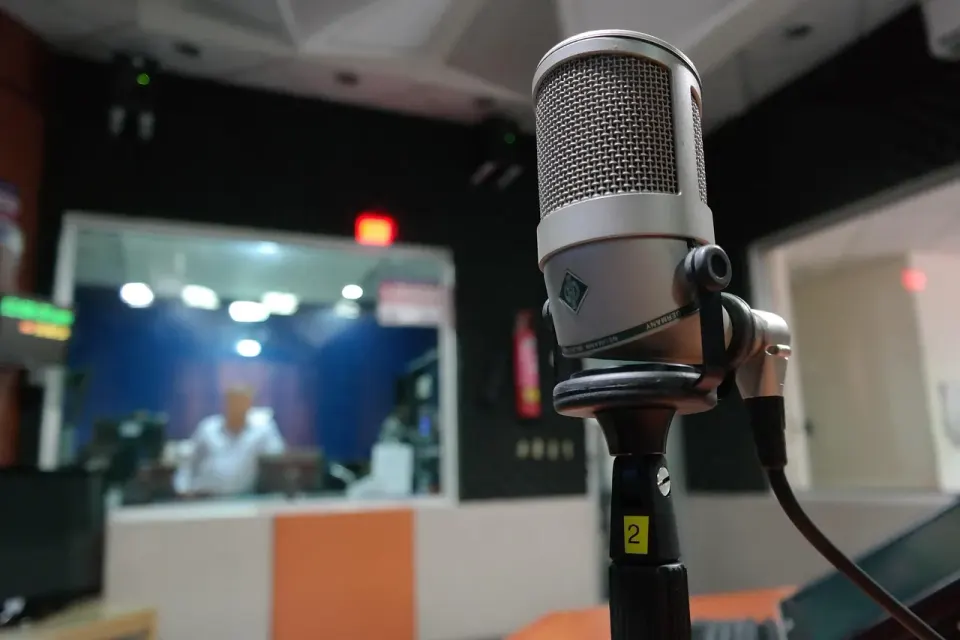
Because a system that is never tested may not work when needed. FEMA says the point of the test is to find technical and operational problems before a real emergency. A national test checks that the alert can travel from the federal source to thousands of stations and devices at the same time.
Broadcasters have homework too. The FCC encourages participants to review procedures, check equipment, update software and confirm that equipment clocks match official time sources. That last item is a quiet detail with a real effect: a clock that is off by minutes can cause alerts to be handled incorrectly. We looked at the strange world of timekeeping in our piece on why the internet wants the leap second gone.
FEMA has also run a smaller state test in Alaska on October 7, 2026, to catch problems ahead of the national one. Think of it as a dress rehearsal.
Afterward, broadcasters report on how the test went, and the FCC reviews the results. After the 2023 test, the FCC published a report on what worked and what did not. Expect a similar report this time.
How to Check Your Own Alert Settings
Even if your phone sits out this test, it is a good moment to check your alert settings. On most phones, you can find emergency alert controls in the notification or safety settings. You can usually turn off some categories, such as certain local alerts, but presidential-level alerts are generally not optional.
Check three things. Make sure emergency alerts are on for the categories you want. Test your volume and Do Not Disturb settings, since some phones let emergency alerts break through and others do not. Then confirm your phone software is current, as older phones may handle alerts differently. Our guide to how long your phone gets software updates explains why.
Another quirk worth knowing: the Emergency Alert System collects no personal data from the public, according to FEMA. It pushes messages out to equipment, and it does not track who received them. That is a pleasant difference from most apps on your phone.
It is also a good time to talk to older relatives who may be alarmed by a sudden tone. A quick call that says "there is a test at 2:20 and you do not need to do anything" can prevent a lot of worry. At Oddworldz, our editors recommend writing down the date: Tuesday, November 17, around 2:20 p.m. Eastern, with December 3 as the backup.
Will my phone get an alert during the November 17 test?
What time is the nationwide Emergency Alert System test?
Do I need to do anything when the test happens?
What is the difference between EAS and WEA alerts?
In this story 6 sections
Keep Reading
All stories
The Odd List · Fridays