How Long Does Your Phone Get Software Updates in 2026?
Seven-year promises sound generous until you notice when the clock starts. Here is what phone makers, EU law and the FTC say about update lifespans.
In this story 8 sections
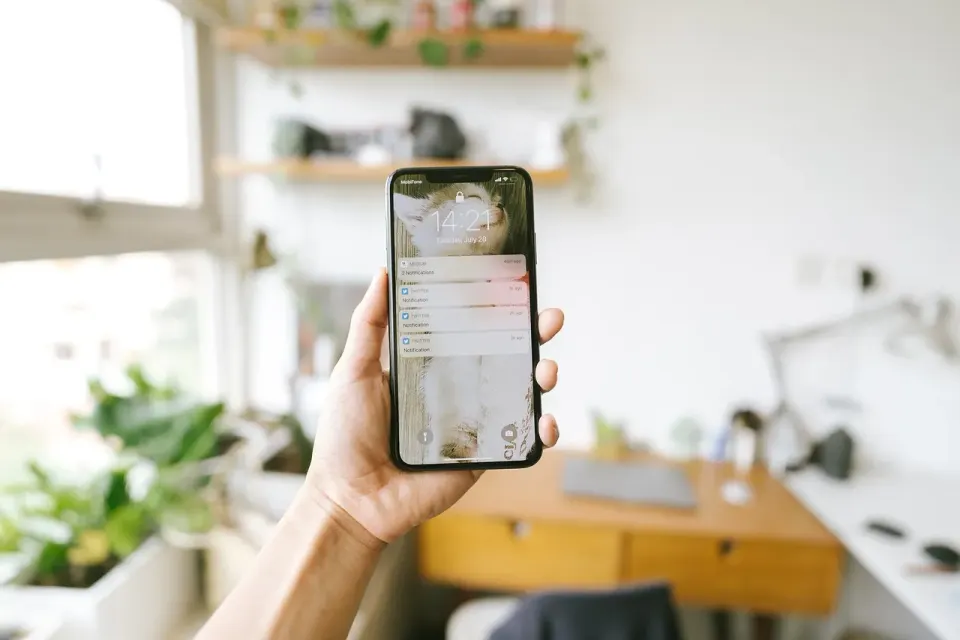
Most new phones now get software updates for five to seven years, but the clock often starts at launch, not when you bought it. Google promises seven years for Pixel 8 and later. In Europe, rules in force since June 2025 require at least five years of operating system updates after a model stops being sold.
That sounds generous until you do the math on your own phone. A model bought two years after launch has already used part of its support window. And many devices, from phones to smart speakers, never tell you the end date at all.
At Oddworldz, we chase the small mysteries of the devices in your pocket. This explainer is for anyone wondering how long their phone will keep getting updates and what happens when they stop. It covers the current promises, the European rules, the security risk and how to find your own phone's end date.
Why Do Phones Stop Getting Software Updates?
Phones stop getting updates because every model a company supports costs money to test and patch. Each new Android or iOS version has to be adapted to that phone's chips, drivers and features. At some point the maker decides an older model is not worth the work, and it drops off the list.
For years, that point came fast. Two or three years of updates was common for Android phones, which pushed people to replace devices that still worked fine. The hardware usually outlived the software.
There are two kinds of updates, and they can end at different times. Operating system updates bring new versions and features. Security updates patch flaws that attackers could use. A phone can stop getting new features while still receiving security fixes for a while.
Updates also carry quiet housekeeping, such as new time zone rules, which is part of how your phone clock handles daylight saving time. An abandoned phone slowly loses those small fixes too.
What Phone Makers Promise Now
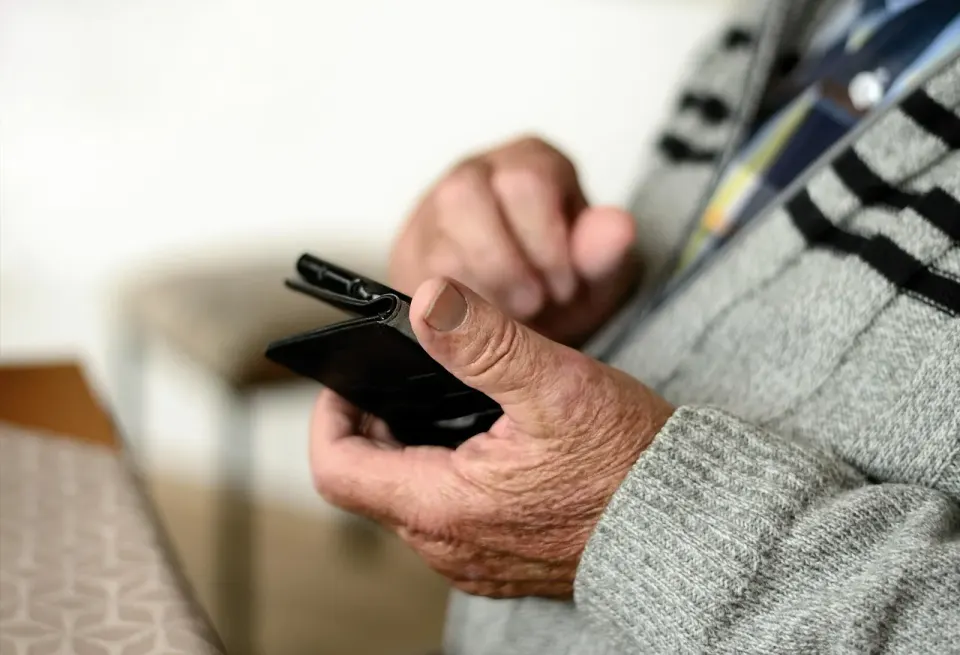
The promises have grown a lot in the last few years. Google's Pixel update page says Pixel 8 and later phones get seven years of operating system and security updates. Pixel 6 and 7 models get five. Pixel 5a and earlier no longer get updates at all.
The fine print matters. Google counts those years from the date a model first went on sale in its U.S. store. So a Pixel bought on clearance two years later has about five years left, not seven.
Here is how the main support rules compare:
| Device or rule | Update promise | When the clock starts |
|---|---|---|
| Pixel 8 and later | 7 years of OS and security updates | First U.S. Google Store availability |
| Pixel 6 and 7 series | 5 years of OS and security updates | First U.S. Google Store availability |
| EU ecodesign rule | At least 5 years of OS updates | When the last unit of a model is sold |
| Windows 10 consumer ESU | Security updates to October 12, 2027 | Enrollment required |
Other makers publish their own policies, and they vary by model and price tier. Budget phones often get shorter windows than flagships, even from the same brand.
Do Update Years Matter When You Buy a Phone?
Update years matter a lot, because they set the real lifespan of the purchase. A simple way to compare phones is cost per supported year. Divide the price by the years of updates left on the day you buy.
Here is a worked example. A $700 phone with seven years of support left costs about $100 per supported year. A $350 phone on clearance with two years left costs $175 per year. The cheaper phone is the more expensive deal.
The same math applies when you buy used or refurbished. Ask for the exact model and check its launch date first. A phone that looks new in the box may already be halfway through its support window.
There is a fair counterpoint. Not everyone keeps a phone for seven years, and batteries, screens and storage wear out too. If you replace your phone every three years, a long support promise mostly helps whoever buys it from you next. That still matters, since a phone with updates left is worth more at trade-in.
Europe Made Five Years the Floor
The European Union turned update promises into law. Since June 20, 2025, its ecodesign and energy labeling rules require operating system updates for at least five years from the date the last unit of a model is sold.
That start date is the clever part. A phone that stays on sale for three years must keep getting updates for at least eight years from launch. Makers can no longer quietly stop support while still selling the device.
The European Commission rules go further than software. Batteries must last at least 800 full charge cycles while keeping 80% of their capacity. Spare parts must stay available for seven years after a model leaves the market. Phones also carry a new label with a repairability grade from A to E.
The Commission estimates the rules will save consumers €20 billion by 2030. Americans are not covered directly. Still, global phone makers often apply one support policy across markets, so the European floor can lift support elsewhere too.

What Happens When Your Phone's Updates Stop?
When updates stop, your phone keeps working, but new security holes never get patched. Attackers study published fixes for newer phones and look for the same flaws on older ones. Every month without updates, the list of known, open weaknesses grows longer.
The Cybersecurity and Infrastructure Security Agency (CISA) is direct about this. Its guide to understanding patches and software updates recommends turning on automatic updates whenever possible. For software that has reached end of life, CISA recommends that users retire it.
Apps add a second deadline. Banking, payment and messaging apps eventually stop supporting old operating system versions. A phone that is still safe enough for photos may lose the apps you rely on most.
Old phones also make scams harder to resist. Modern sign-in features like passkeys that refuse to work on fake websites depend on current software. So do the spam filters that catch tricks like the "wrong number" text scam.

The Hidden Support Date Problem
Phones are actually the good news. Many other connected gadgets give no support date at all. In November 2024, the Federal Trade Commission (FTC) surveyed 184 smart products, from hearing aids to security cameras and door locks.
The results were grim. For 161 of the 184 products, the FTC found no support duration or end date on the maker's product page. Basic web searches turned up nothing for 124 of them.
The FTC staff also raised a legal point. Failing to disclose how long updates will last could violate the Magnuson-Moss Warranty Act for products sold with written warranties. That is staff analysis, not a new rule, but it signals where regulators are looking.
Even big support deadlines move. Microsoft quietly extended free consumer security updates for Windows 10 to October 12, 2027, according to Help Net Security's June 2026 report. Enrollment is still required, and a paid option costs $30. The lesson for phone owners is simple: a support date is a company decision, and it can change in either direction.
How to Find Your Phone's Update End Date
A few minutes of checking can tell you how much life your phone has left. Here are the steps worth following:
- Find your exact model name. It is in Settings under About Phone or General.
- Search the maker's support page for that model. Look for a guaranteed update or end-of-support date.
- Check the date of your last security patch. If it is more than a few months old, something is wrong.
- Turn on automatic updates. CISA recommends it, and it removes the need to remember.
- Plan the replacement before the end date. Do not wait for an app to stop working.
In our experience, the most useful habit is checking the end date before buying, especially for discounted older models. A cheap phone with one year of updates left can cost more per year than a pricier new one.
The Bottom Line on Phone Software Updates
Most new phones now get five to seven years of updates, which is a big change from a few years ago. But the clock usually starts at launch, and many other devices still hide their end dates. Europe has made five years after the last sale the legal minimum.
Look up your model's date today, turn on automatic updates and plan your next phone around that date. Oddworldz will keep tracking how these promises change. A phone that still works is not the same as a phone that is still safe.
How many years of updates does a Pixel phone get?
Is it safe to use a phone that no longer gets updates?
What does the EU smartphone law require for updates?
How do I check when my phone's updates will end?
In this story 8 sections
Keep Reading
All stories

The Odd List · Fridays