Why Spam Texts Keep Coming: How Robotexts Reach Your Phone
Spam texts are cheap, automated and built to slip past filters. Here is how they reach your phone, and the routine that stops them.

In this story 7 sections
Spam texts keep coming because sending them is cheap, automated and hard to stop at scale. Bulk software pushes one message to huge lists of numbers, and a tiny share of replies pays for the whole run. Blocking one number rarely helps, because the next batch arrives from a different sender.
This explainer is for anyone who has wondered why a stranger keeps texting about a toll, a package or a job. Oddworldz covers how the internet and our phones really work, and this piece follows a spam text from the sender's software to your lock screen. You will also get a short routine for blocking and reporting them.
How Do Spam Texts Get Sent to So Many Phones at Once?
Spam texts go out through bulk messaging software that sends one message to long lists of numbers, often with an autodialer. Once the system is running, each extra message costs almost nothing. A scammer can text millions of people and still profit if only a few reply.
The Federal Communications Commission (FCC) treats these messages as calls. The FCC explains that robotexts, meaning text messages generated through autodialing, fall under the same rules as robocalls. For mobile phones, FCC rules ban autodialed texts unless the phone owner gave prior consent, with an exception for emergency messages.
Scammers do not follow that rule, of course. They use the same bulk tools that legitimate businesses use for appointment reminders and shipping alerts, which is part of why spam is hard to separate from the real thing. The message travels over ordinary carrier networks and lands in the same inbox as a text from your dentist.
Carriers sit in the middle of this traffic. They route billions of messages and run their own filters, but a filter has to decide in a split second whether a short message is a scam or a real reminder. Scammers test their wording against those filters and adjust until messages slip through.
Where Do Scammers Find Your Phone Number?
Scammers find numbers through leaked or sold contact lists, data scraped from sign-up forms, and brute-force guessing of number ranges. Your number may sit in more than one of those pools. That overlap explains why spam rarely stops after you block one sender.
The Federal Trade Commission (FTC) warns that scammers who collect your details can sell your information to other scammers. One successful trick can therefore bring a second wave of messages from a different crew. Replying, even with an angry word, tells the sender that a live person owns the number.
Guessing needs no stolen data at all. A phone number has a fixed structure of area code, exchange and line number, so software can run through every combination in a region. Every number that does not bounce back can be marked as active, and an active number is more valuable to the next sender.
You can shrink your exposure at the source. Many sites now respect browser privacy signals, a topic we covered in our guide to how the Global Privacy Control browser signal works. Fewer data sales means fewer places for your number to leak from.
Why the Same Few Spam Text Scripts Keep Coming Back
Scammers reuse a handful of scripts because each one still works on enough people. The FTC's data spotlight for 2022 found that bank impersonation was the most-reported text scam, ahead of free gifts, package problems, fake jobs and bogus Amazon alerts. Newer reports add other costumes to the same playbook.
The table below lists the scripts named in the FTC's reporting, what each one claims and what it wants from you.
| Script | What the text claims | What the sender wants |
|---|---|---|
| Fake fraud alert | Suspicious activity on your account | A call to a fake bank agent |
| Unpaid toll notice | You owe a small toll balance | Card details on a fake payment page |
| Package problem | A delivery from a major carrier has a problem | A click on a link that collects your details |
| Phony job offer | Easy pay for rating apps or products | A reply and your personal details |
| Free gift | A prize from your carrier or a retailer | Personal details to "claim" the gift |
Each script succeeds for a reason. A fraud alert triggers fear, a toll notice looks too small to question, and a job offer promises easy pay. Knowing which emotion a text is pulling on is often the fastest way to spot it.
The package script has a built-in tell. The U.S. Postal Inspection Service says USPS will not text you a tracking link unless you first requested tracking, so an unprompted link is a scam.
The money involved is large. The FTC reported in its April 2025 data spotlight that people lost $470 million to text scams in 2024, more than five times the 2020 figure. Those are only the cases people reported, so the real total is higher.
What Do the Links in Spam Texts Actually Do?
A link in a spam text usually opens a fake page built to copy a bank, a carrier or a toll agency. The FTC says some links lead to a spoofed website that looks real, and if you log in, the scammers may steal your username and password. Other messages try to install malware that collects financial information without any sign on screen.
Fake pages are cheap to build and easy to throw away. A scammer can register a new web address for each campaign, which can leave a blocklist of known bad sites a step behind. Modern browsers help by warning you before an insecure page loads, as we explained in our look at Chrome's HTTPS-by-default warning.
A padlock or a clean-looking page proves nothing about who runs the site. The only reliable check is to leave the text and go to the company's website or app yourself. Legitimate companies do not ask for account details by text, a point the FTC makes directly. The FCC's advice is blunt: do not respond to texts from unknown or questionable sources, and never click links in them.
The pressure tactic matters as much as the link. Scam texts lean on urgency, such as a balance due today or a locked account, because a rushed reader skips the checks. The FTC advises pausing for a moment and asking someone you trust before you act on a message that demands immediate payment.
What Are the Rules on Robotexts, and Do Senders Obey Them?
Under FCC guidance, texts sent with an autodialer to a mobile phone generally need your prior consent, and you can withdraw it at any time. Honest senders honor a reply of "stop." Scammers ignore it, and a reply may just confirm your number is active.
The FCC states that you may revoke consent in any reasonable manner, such as replying "stop". That works for a business you signed up with. It is the wrong move for a text from a sender you have never heard of.
A practical test helps here. If you remember giving the sender your number, reply "stop" and expect it to work. If you do not, skip the reply and go straight to reporting, because answering rewards the sender with a verified number.
One caution before you block everything. Not every unexpected text is a scam. A pharmacy reminder, a one-time login code you just requested and a delivery update for an order you placed are all legitimate. The question to ask is whether you started the conversation or expected the message, and the answer decides your next step.
How Do You Block and Report Spam Texts?
To handle a spam text, do not tap the link, do not reply, forward the message to 7726 (which spells "SPAM" on a keypad), report it to the FTC, then delete and block the sender. Reports give carriers and regulators data to work with.
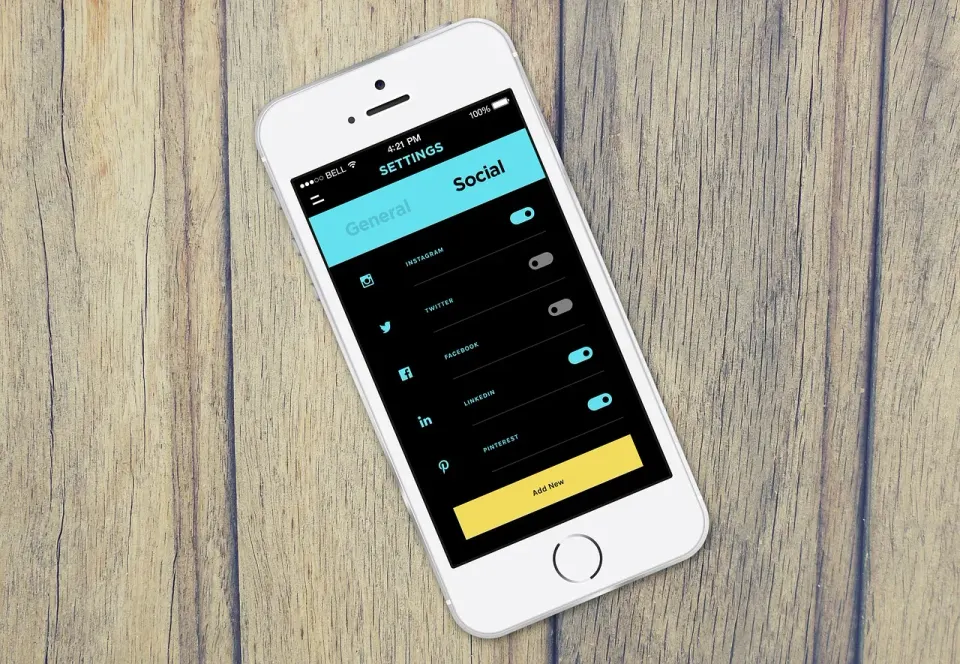
Here is the routine in order, from the moment the text arrives:
- Leave the link and any phone number in the message untouched.
- Look up the company yourself and contact it through its official website or app.
- Forward the text to 7726, which the FCC lists as the way to report unwanted texts.
- File a report at ReportFraud.ftc.gov, the address the FTC gives for scam reports.
- Delete the message and block the number in your phone's messaging settings.
- Turn on your phone's filter for unknown senders if it has one.
The FTC notes that your phone may have an option to filter and block spam or messages from unknown senders. Filtering will not catch everything, but it moves the worst offenders out of your main inbox. If you lost money or shared a password, change that password first and contact your bank.
Stronger logins also blunt the damage. A passkey only works on the real site, so a fake page cannot capture it, as we described in how passkeys let your phone replace your password. That does not stop spam, but it takes away much of the payoff.
What to Remember the Next Time a Stranger Texts You
Spam texts are a volume game run by software. They reach you through leaked lists and number guessing, they borrow the look of banks and delivery firms, and they depend on a quick, nervous reaction. Slowing down is the one defense scammers cannot automate away.
Oddworldz's editors read the FTC and FCC pages cited here. The FTC says to skip the link and verify through a channel you know, and the FCC points to 7726 for reporting. Start with the next unexpected text: forward it and let the filter do its job.
Why am I suddenly getting so many spam texts?
Does replying STOP to a spam text work?
Is it safe to tap a link just to see if a text is real?
Where do I report spam texts in the United States?
In this story 7 sections
Keep Reading
All stories


The Odd List · Fridays