Why Your Phone Shuts Off in the Cold With Battery Left
The screen said 30%, then the phone went black on a winter walk. The charge was real. The battery just could not deliver it.
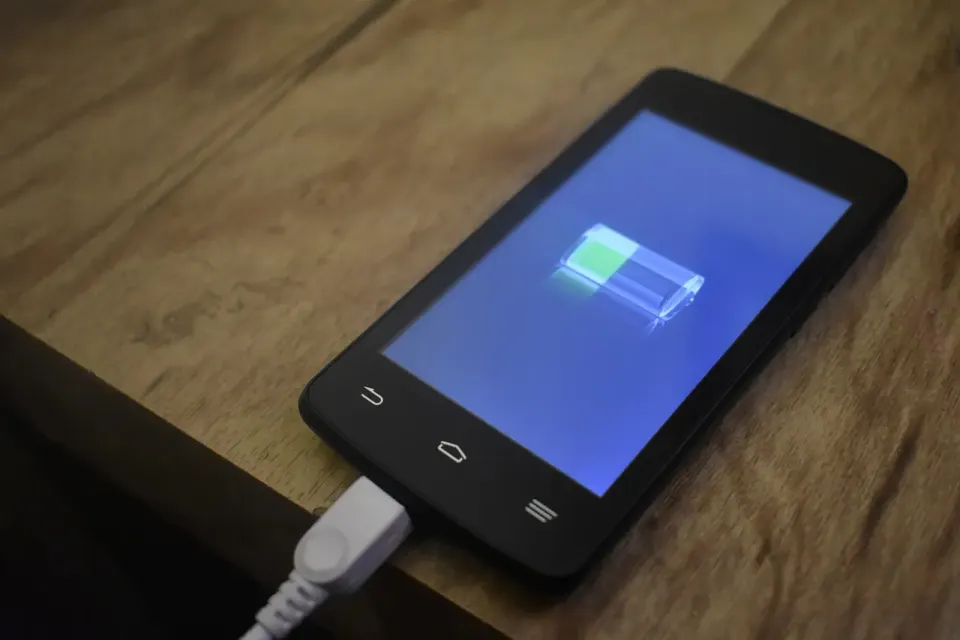
In this story 6 sections
A phone shuts off in the cold with battery left because cold raises the battery's internal resistance. When the phone asks for a burst of power, the voltage sags below the minimum the chips need, and the phone shuts down to protect itself. The charge is still there. Warm the battery and it returns.
This explainer covers what cold does inside a lithium-ion battery, why the percentage on your screen can mislead you, and what to do about it. It is written for anyone who has watched a phone die outdoors with plenty of charge showing.
Oddworldz explains the small mysteries of digital life, and this is one of the most common. The cause is chemistry, not a faulty phone, and a few habits fix most of it.
What Happens Inside a Phone Battery in the Cold?
Lithium ions move more slowly through a cold battery, and the liquid inside thickens. That raises internal resistance, which is how hard the battery pushes back against delivering current. The battery still holds its energy. It just cannot hand that energy over as quickly as the phone demands.

A lithium-ion battery works by shuttling charged lithium atoms between two electrodes through a liquid called the electrolyte. Heat makes that trip easy. Cold makes it sluggish. A battery researcher writing in The Conversation explains that electrolytes slow and thicken in the cold, so the lithium ions move slower.
Think of the electrolyte as syrup left in a cold pantry. It still pours, but slowly. A phone that needs a quick pour for a camera flash or a map refresh gets a trickle instead.
The size of the loss can be large. Battery University, a long-running reference on battery chemistry, says a battery that gives 100 percent of its capacity at 27°C (80°F) will typically deliver only about 50 percent at -18°C (0°F). Its page on discharging batteries at high and low temperatures adds that the lost capacity returns once the cell warms to room temperature.
Why Does a Phone Shut Off While the Battery Still Shows Charge?
The percentage on screen is an estimate, and the phone also watches the battery's voltage. Under a sudden load, a cold or aging battery's voltage can dip below the level the processor and storage need. The phone then powers down on purpose to protect its parts, even though the gauge showed charge left.
Apple explains this clearly in its support page on iPhone battery and performance. A battery with high impedance, which is the engineering word for resistance to current, may not supply enough power on demand. Its voltage then drops further under load. Electronic components need a minimum voltage to work, so the power management system shuts the phone down.
Apple adds that the shutdown is intentional from the device's point of view, but it may be unexpected for the user. That gap explains the confusion. The phone is acting as designed, and you are looking at a percentage that no longer matches what the battery can deliver in that moment.
Here is a common scenario. A phone sits in an outer jacket pocket during a cold commute and reads 35%. The owner opens the camera, which pulls a burst of power. The voltage sags, the phone goes dark, and the owner assumes the battery was lying. Back indoors, the same phone often boots up and shows a healthy number.
How Cold Is Too Cold for a Phone?
Apple lists 32° to 95°F (0° to 35°C) as the working range for iPhones, with 62° to 72°F (16° to 22°C) as the ideal. Below freezing, expect shorter battery life and possible shutdowns. The cold effect is temporary. Heat above 95°F is worse, because it can permanently damage capacity.

These figures come from Apple's guide to maximizing battery performance. The page says a very cold environment can reduce battery life, but the condition is temporary. It also says software may pause charging when the battery is outside its safe temperature range. Here is how the temperature bands compare:
| Condition | What to expect | Lasting damage? |
|---|---|---|
| 62° to 72°F (16° to 22°C) | Ideal comfort zone | No |
| 32° to 95°F (0° to 35°C) | Normal working range | No |
| Below 32°F (0°C) | Shorter life, possible shutdowns | No, it recovers |
| Above 95°F (35°C) | Charging may slow or pause | Yes, capacity can drop for good |
Notice the asymmetry. Cold is an inconvenience, and heat is a threat. That is why the worst fix for a cold phone is a hot one. A heater, hair dryer or car vent can push the battery into the zone that causes lasting harm.
These rules are not specific to one brand. Apple notes that the traits it describes are common to all lithium-ion batteries in the industry. An Android phone has the same chemistry, so it follows the same pattern.
Why Do Older Phone Batteries Shut Off First in the Cold?
Older batteries have higher internal resistance, so they hit the voltage floor sooner. Apple says shutdowns are more likely at low charge, at higher chemical age, and in cold weather. Stack two of those and the odds climb. A worn battery on a freezing day with 20% left is the classic case.
Chemical age is not the same as calendar age. Apple says it depends on factors such as the number of charge cycles and how the battery was cared for. Each cycle slightly reduces the amount of charge the battery can hold, and it can raise impedance too.
This is why two identical phones can behave differently on the same walk. A one-year-old phone may sail through. A four-year-old phone with a worn battery may quit at 40%. The weather is the same. The battery is not.
It also explains why a phone that never had problems can suddenly fail in winter after a few years of use. The cold did not break anything. It exposed how much resistance the battery had built up. Oddworldz editors who reviewed the Apple and Battery University pages for this article found the same pattern in both: the problem grows with age and with cold, and it shrinks with warmth.
Software updates can help at the margins. Phone makers keep adding battery health tools, and some features arrive without a full OS upgrade, as covered in our explainer on how Google System Updates bring Android features. Still, no update changes the chemistry of the cell in your pocket.
What Can You Do When Your Phone Shuts Off in the Cold?
Keep the phone warm before and during use. Carry it in an inside pocket close to your body, not in a bag or outer pocket. If it shuts off, warm it gradually at room temperature, then power it on and charge it. Do not put it on a heater.
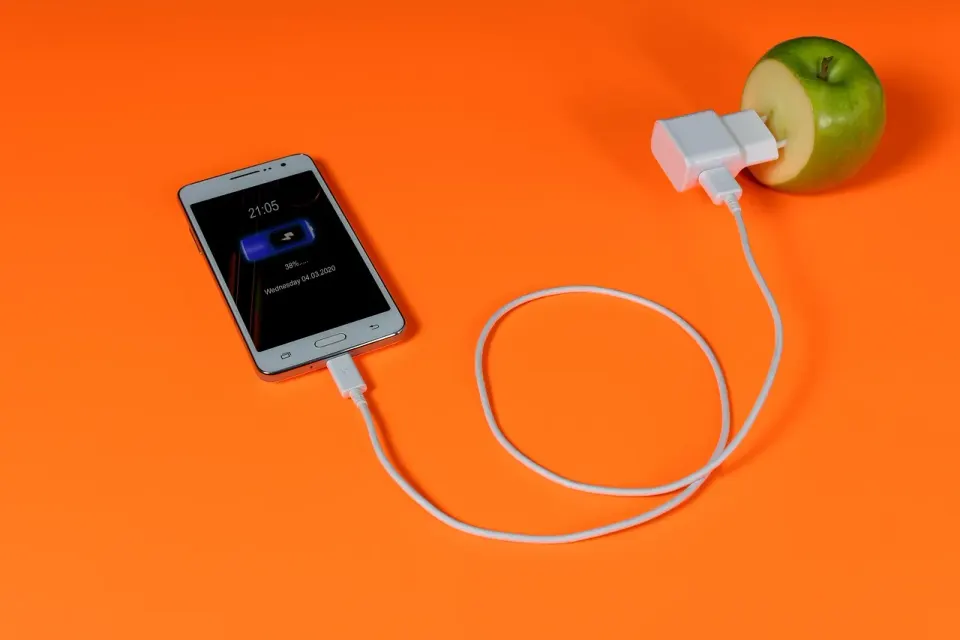
Here are habits that cover most winter situations:
- Keep the phone in an inner pocket until you need it.
- Turn down screen brightness and close heavy apps outdoors.
- Start long outings with a full charge, not a half one.
- Carry a small power bank inside your coat, not in a bag.
- Wait for the phone to warm up before you plug it in.
The last tip matters because charging a very cold phone may simply not start. Apple says charging can pause in extreme temperatures and resumes once the battery returns to its normal range. The same Conversation article warns that charging a cold lithium-ion battery can let lithium build up on the electrode surface. Give a frozen phone time at room temperature before you plug it in.
Cold is not the only thing that makes a phone feel flaky. Other limits show up in odd places, such as the usage cap described in our piece on why Siri AI has a daily usage limit on iPhone. Wireless connections have their own reliability problem, which the next generation of Wi-Fi is built to attack, as we explain in our Wi-Fi 8 explainer.
One practical step to try this week: check your phone's battery health screen. If the maximum capacity is low, cold shutdowns will keep happening, and a battery replacement is likely to help more than any winter trick.
The Short Answer on Phones That Shut Off in the Cold
A phone that shuts off in the cold is not broken, and the battery is not empty. Cold thickens the liquid inside, raises resistance, and lets the voltage sag when the phone asks for power. The phone shuts down to protect its parts.
Keep the phone close to your body, start outings with a full charge, and warm it slowly if it dies. If shutdowns happen in mild weather too, the battery is probably worn, and replacing it is the real fix.
Does cold weather permanently damage a phone battery?
Why does my phone show 30% and then turn off?
Do Android phones shut off in the cold too?
Should I replace my battery if my phone keeps shutting off?
In this story 6 sections
Keep Reading
All stories


The Odd List · Fridays