
How Things Work Online
Why Your Phone Says "Spam Likely": How Caller ID Authentication Works in 2026
A "Spam Likely" tag is a guess made by carrier systems. Here is how caller ID signing and call scoring work, and what to do about junk calls.
Plain-English explainers on the machinery behind the sites, apps and networks you use every day.
13 articles
A "Spam Likely" tag is a guess made by carrier systems. Here is how caller ID signing and call scoring work, and what to do about junk calls.

Today, AI agents click around pages like a confused tourist. WebMCP is a draft browser standard that would let a site hand them a clear list of actions instead.
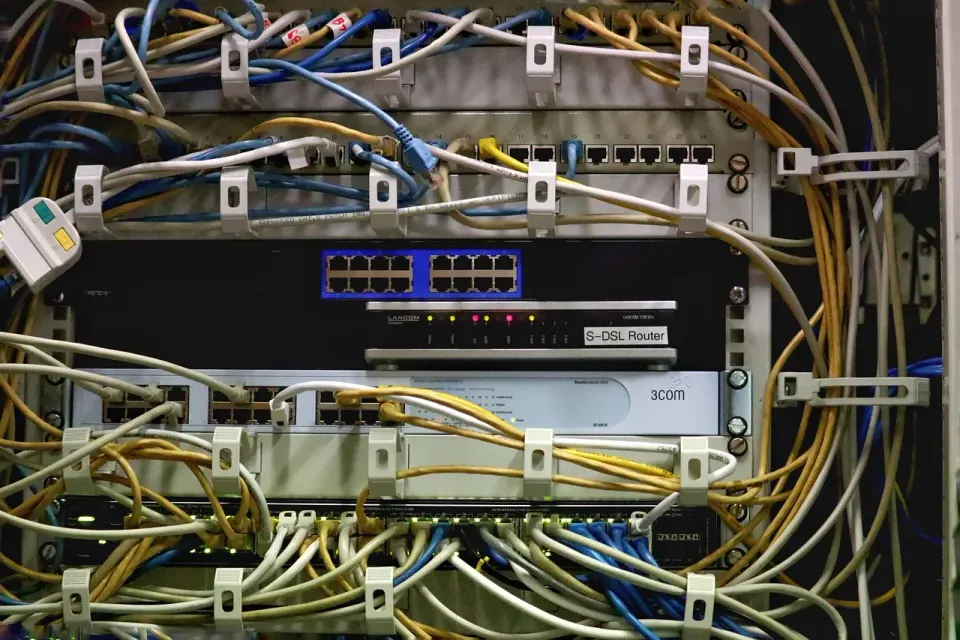
On October 20, 2026, a power problem in one London building took down apps across the UK for hours. Here is what a cloud zone is, why backup power failed, and why some "redundant" setups still stumbled.

A number saved where text belonged stopped every paid DNS server at once. Here is how the failure worked, what the fixes are and how to add a backup DNS server.

Cloudflare has started grading approved crawlers on whether they obey robots.txt and back off when told to. Here is what the new system measures and what it leaves unsaid.

The padlock in your browser now has a shorter shelf life, and the limit keeps shrinking until 2029. Here is how it works and why browsers pushed for it.
Cloudflare blocked 935 attacks above 1 Tbps in the first half of 2026. Here is how DDoS floods work, why most end fast and what you would notice.

Exam blackouts, cable cuts and drone strikes all show up as the same dip on a graph. Here is how a country goes offline and how outsiders can tell.
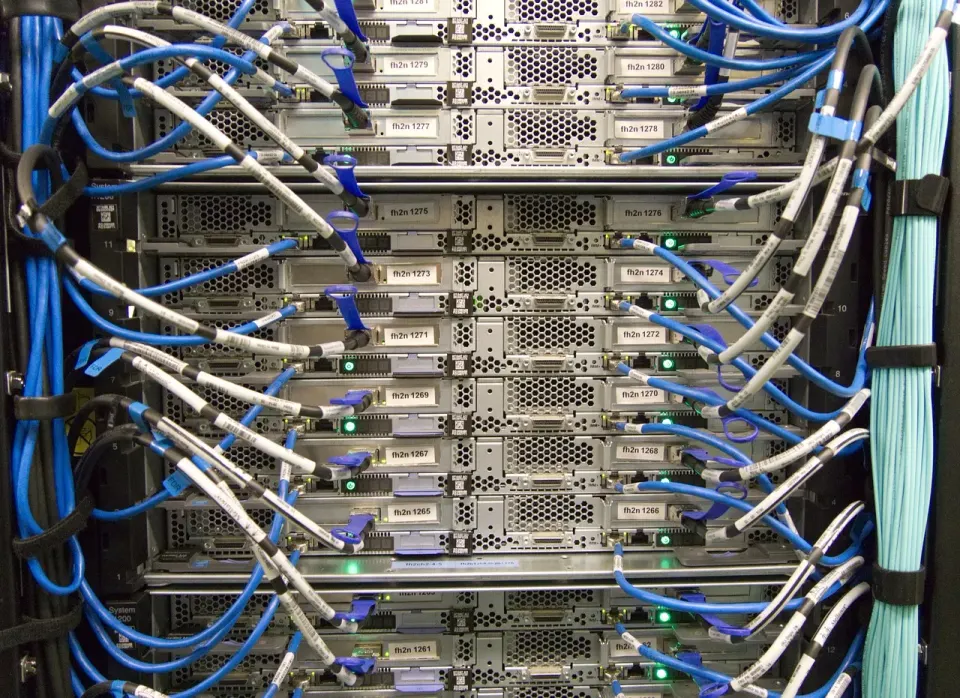
In May 2026, a routine key change at Germany's .de registry made millions of working websites look broken. Here is the machinery behind it.

One header, one character, and a growing pile of state law behind it. Here is what Global Privacy Control sends and why websites must listen.
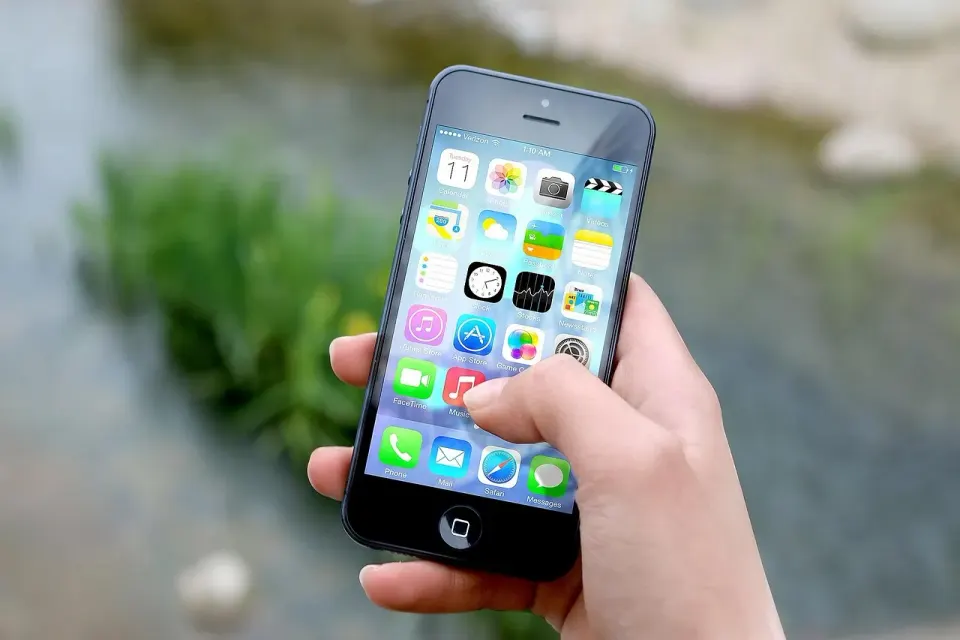
The number on your screen is a claim, not a fact. Here is how scammers fake it, how digital call signatures fight back and where the gaps remain.

A convincing copy of your bank’s login page can fool you. It cannot fool the cryptography behind a passkey. Here is the small, strict rule that makes the difference.