Why Your Phone Says "Spam Likely": How Caller ID Authentication Works in 2026
A "Spam Likely" tag is a guess made by carrier systems. Here is how caller ID signing and call scoring work, and what to do about junk calls.
In this story 7 sections
A "Spam Likely" label appears when your carrier or phone scores an incoming call as probably unwanted. The score comes from caller ID authentication, known as STIR/SHAKEN, plus reputation data such as user reports and calling patterns. The label is a guess, not a verdict, and real calls sometimes get it too.
That unfamiliar number lighting up your screen has a hidden system behind it. This explainer is for anyone who has wondered why a call says "Spam Likely," who decided that, and whether to trust it. Oddworldz covers how things work online, and the phone network is one of the oldest parts of that story.
What Does "Spam Likely" Mean on Your Phone?
It means a system judged the call likely to be junk and attached a warning. The call still rings. You decide whether to answer. The Federal Trade Commission (FTC) calls this call labeling, and it differs from call blocking, which stops the call before it reaches you.
Different companies run different scoring systems. Your carrier may label a call one way while a call-blocking app labels it another way. That is why the same number can read "Scam Likely" on one phone and look normal on another. The label depends on whose data was used.
With call labeling, shady calls still come through with a warning such as "spam" or "scam likely," so you choose what to do next. Blocking services can also catch calls you actually want, which is why the FTC treats both tools as helpers rather than guarantees.
Think of it as a weather forecast for your phone. A 90% chance of rain does not mean you will get wet, and a "Spam Likely" tag does not mean the caller is a crook. A clinic calling from a new number, or a small business using a shared line, can pick up a bad score after a few ignored calls.
How STIR/SHAKEN Signs a Phone Call
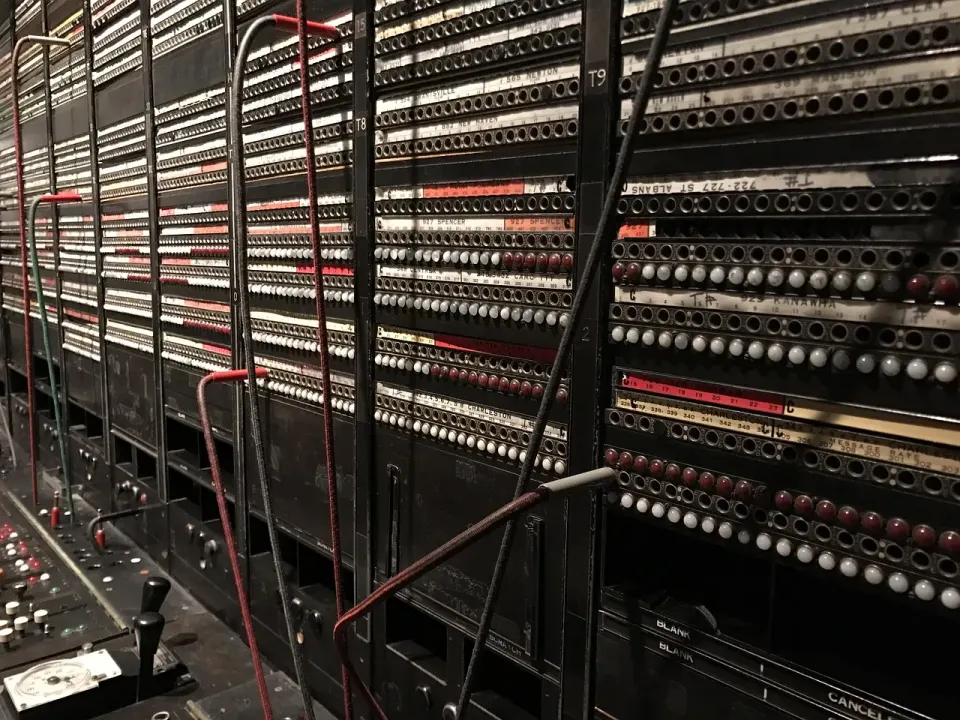
STIR/SHAKEN is a pair of technical standards for proving a caller ID is genuine. The names are short for Secure Telephone Identity Revisited (STIR) and Signature-based Handling of Asserted Information Using toKENs (SHAKEN). Together they work like a wax seal on a letter.
When a call starts, the originating carrier attaches a digital signature to the caller ID. The carriers in between pass that signature along. The carrier that rings your phone checks it. According to the Federal Communications Commission (FCC), calls crossing interconnected networks have their caller ID signed by the originating carrier and validated by the others.
The signature also carries an attestation level, labeled A, B or C. Level A means the carrier knows the customer and knows they may use that number. Level B means the carrier knows the customer but cannot confirm the number. Level C usually means the call came in from a gateway, such as a foreign network, where the carrier knows little.
Congress pushed carriers toward this system through the TRACED Act of 2019. The goal was to make illegal caller ID spoofing harder. Spoofing means faking the number or name that shows on your screen.
The phone network is a chain of companies, and a failure in one link can ripple outward. A different kind of chain failure is covered in how one London data center knocked out banking apps. Authentication tries to make the phone chain more trustworthy before a problem starts.
Why Does a Signed Call Still Get Labeled Spam?
Because a signature proves who placed the call, not why. STIR/SHAKEN confirms the number is real and unaltered. It does not check consent, content or intent. A scammer who uses their own legitimate number can pass the check with a top-level attestation.
Numeracle, a company that works on caller identity, lists several reasons robocalls continue after authentication. Authenticated bad actors are one. Calls that lose their signature on older, non-internet networks are another. Foreign gateway traffic and providers that bad actors hop between add to the problem.
So labels rely on a second layer of data. Analytics engines look at call volume, how many calls get hung up in seconds, how often a number is dialed in sequence, and what users report. A number that places thousands of short calls an hour looks very different from a dentist's office.
A label is a decision a system made for you, much like the way feeds get reshuffled behind the scenes. The same idea shows up in how YouTube custom feeds replaced the old Subscriptions tab. In both cases, an algorithm chose what you see, and you may not know its rules.
What Is Neighbor Spoofing and Why Is It So Convincing?
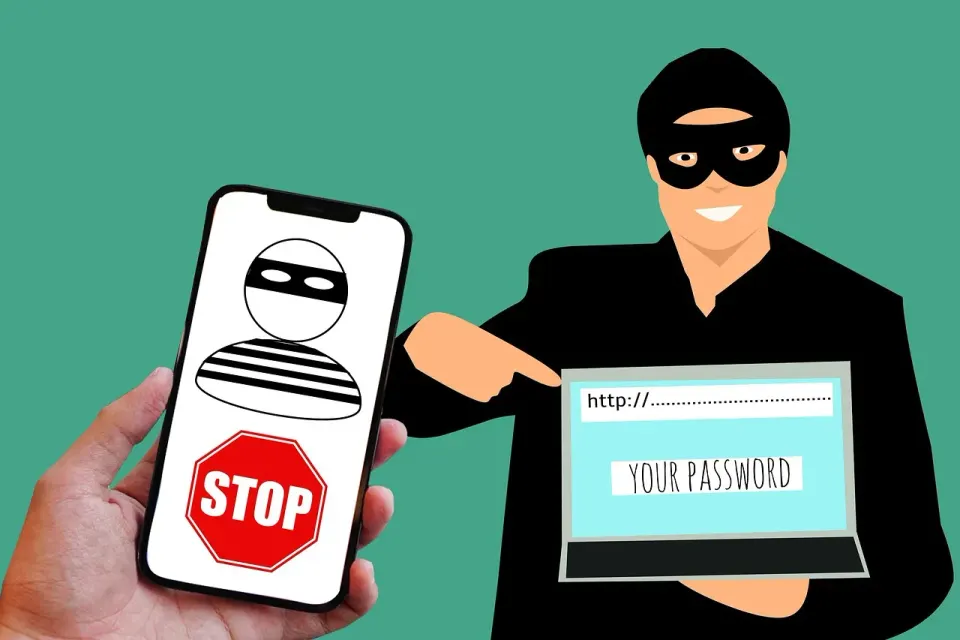
Neighbor spoofing is when a scammer fakes a caller ID that matches your own area code and often your first six digits. It works because people answer local numbers more often than unknown ones. The faked number often belongs to a real person who has no idea it is being misused.
This is one reason a "Spam Likely" warning matters, and one reason the system is imperfect. Spoofed calls that come from outside the signed network may arrive with weak or missing authentication. Calls that were signed properly can still be fraud.
Scammers also fake the name that appears. Many pose as a government agency, such as the Social Security Administration or the IRS. The caller may threaten you or promise a benefit if you hand over personal data. A real agency does not work that way, so treat the call as a scam.
At Oddworldz, we treat a caller ID as a claim, not a fact. A local number, a familiar name and a plausible story can all be forged. The safest habit is to hang up, then call the organization back using a number from its official website.
How Do Investigators Trace an Illegal Call?
Traceback is the process of following a call backward through each carrier that handled it. It matters because a spoofed call usually crosses several networks before it reaches you. Each hand-off is a clue, and a signature shows which provider put the call on the network.
Before authentication, an investigator often had to ask each carrier in turn, and some trails went cold. With signed calls, the record points to the provider that vouched for the number. That provider can then be asked who the customer was, and what the customer was doing.
This is the quieter benefit of STIR/SHAKEN. It does little to quiet your phone today, as of November 2026, but it makes enforcement faster. It also pushes providers to know their customers, because a provider that signs bad traffic can be identified.
There is a fair counterpoint. Enforcement works slowly, and offshore operators can switch providers when one cuts them off. A trace helps regulators, not the person whose phone is ringing at dinner. That gap is why the personal tools in the next section still matter.
How Can You Cut Down on Spam Calls?
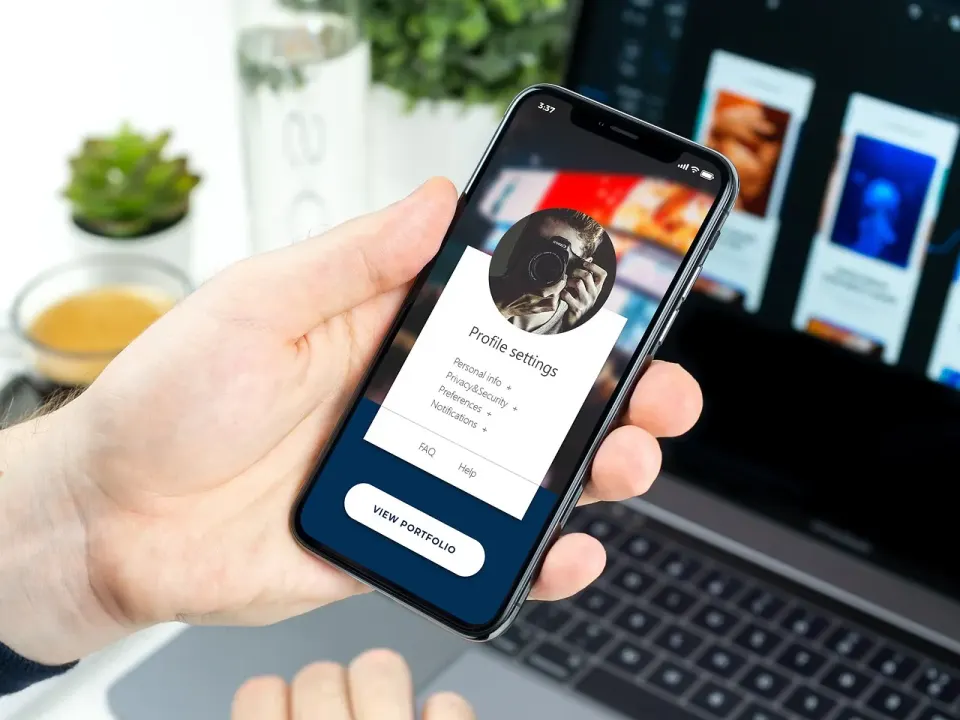
Start with tools built for the job, then add your own habits. The FTC says the best defense against unwanted calls is call blocking and call labeling. No single setting catches everything, so combine a few of the steps below.
- Ask your carrier which call-blocking or call-labeling services it offers. Some are free and others charge a fee.
- Install a call-blocking app from your phone's app store, and check its privacy policy first.
- Turn on your phone's built-in silencing for unknown callers or Do Not Disturb hours.
- Do not press any number during a recorded message, since that can lead to more calls.
- Report the call to the FTC at DoNotCall.gov, or at ReportFraud.ftc.gov if you lost money.
Your phone also does other quiet background work for you. One example is explained in how Find Hub left-behind reminders work on Android. Spam filters belong to the same family of invisible helpers that run behind your lock screen.
What about the Do Not Call Registry? It helps less than most people expect. The FTC says the registry is designed to stop unwanted sales calls from real companies that follow the law. It does not block calls, so scammers ignore it. Registration is free, never expires and can take up to 31 days to reduce legal sales calls. USAGov's guide to reporting scam calls and using the registry lists the official steps.
One caution is worth keeping in mind. Blocking tools can misjudge a call you want, such as a pharmacy, a school or a delivery driver. If you expect an important call from an unknown number, check your voicemail and your blocked list before you decide the call never came.
What to Remember About "Spam Likely" Labels
The label is useful but imperfect. STIR/SHAKEN raises the cost of faking a caller ID, and it gives investigators a trail to follow. Reputation scoring then adds a guess about intent. Neither piece is a guarantee.
The system will keep changing. Regulators are also looking at stricter checks on who gets access to the network in the first place, so that fewer bad callers get signed up at all. For now, the practical rule is simple. Treat a warning as a reason to slow down, let unknown calls go to voicemail, and verify anything urgent through an official number.
Oddworldz's editors checked the descriptions of call labeling, authentication and the Do Not Call Registry against the FTC and FCC pages linked above. Rules and carrier tools change, so confirm current options with your own provider.
Is a Spam Likely call always a scam?
Does STIR/SHAKEN stop spoofed calls from reaching my phone?
Does the Do Not Call Registry stop Spam Likely calls?
What is neighbor spoofing?
In this story 7 sections
Keep Reading
All stories-
 How Things Work Online
WebMCP Explained: How Websites May Soon Hand AI Agents a Menu of Tools
7 min read -
 How Things Work Online
How One London Data Center Knocked Out Banking Apps: The Google Cloud Outage Explained
7 min read -
 How Things Work Online
How One Bad Setting Silenced a DNS Service: Control D's 54-Minute Outage Explained
7 min read
The Odd List · Fridays