How Caller ID Spoofing Works and Why Your Phone Says Scam Likely
The number on your screen is a claim, not a fact. Here is how scammers fake it, how digital call signatures fight back and where the gaps remain.
In this story 7 sections
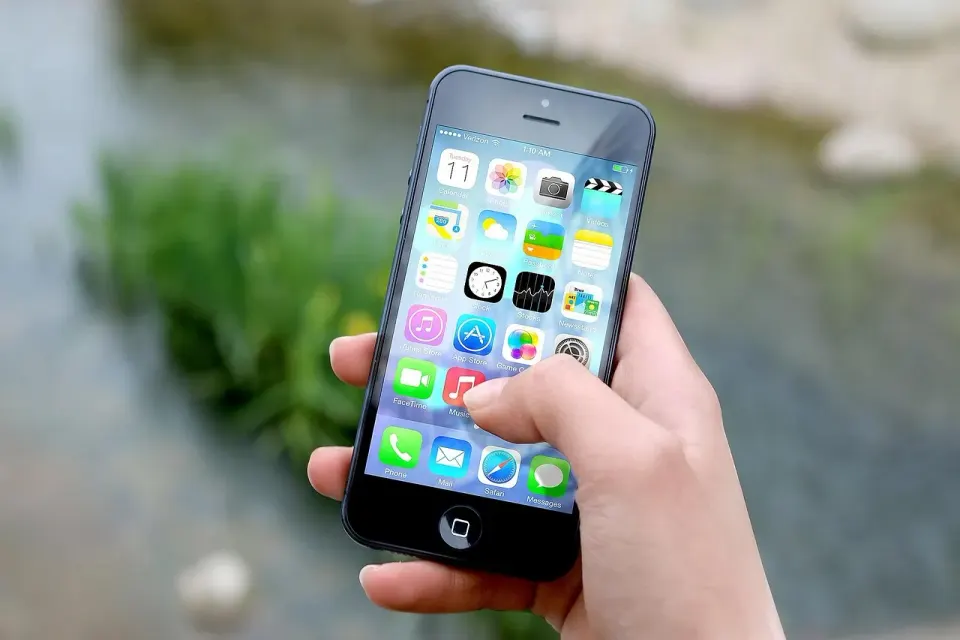
Caller ID spoofing works because the phone network trusts whatever number the calling system says it has. A scammer's software can type in any name or number, and older parts of the network pass it along unchecked. Newer digital signatures, known as STIR/SHAKEN, let carriers flag doubtful calls, which is where "Scam Likely" labels come from.
That last part is the useful bit. Your phone is not guessing when it labels a call. It is reading a verdict that your carrier reached using signatures, call data and complaint reports, and that verdict is only as good as the information behind it.
Oddworldz explains the machinery behind the networks people use every day. This explainer is for anyone who has seen a local-looking number turn out to be a robocall and wondered how. It covers why faking a number is so easy, how the signature system works, and where its gaps still are.
How Does Caller ID Spoofing Actually Work?
Caller ID spoofing works because the number you see is data sent by the caller's side of the network, not a reading taken by yours. The phone system was built when only a handful of trusted carriers could connect calls. Nobody designed it to check whether that number was true.
Internet calling changed the economics. Voice over Internet Protocol (VoIP) services let anyone with software and an account place calls in bulk and fill in the caller ID field themselves. The Federal Trade Commission (FTC) puts it bluntly on its guide to blocking unwanted calls: scammers fake the name and number, sometimes to pose as government agencies.
There is a darker twist. The FTC notes that the faked number often belongs to a real person who has no idea it is being used. That is why you sometimes get an angry callback from someone you never called.
Spoofing is not always illegal. A doctor calling from a personal phone may show the clinic's main line, for instance. The trouble starts when the fake number is used to deceive people or cause harm.
Neighbor Spoofing and Numbers That Look Local
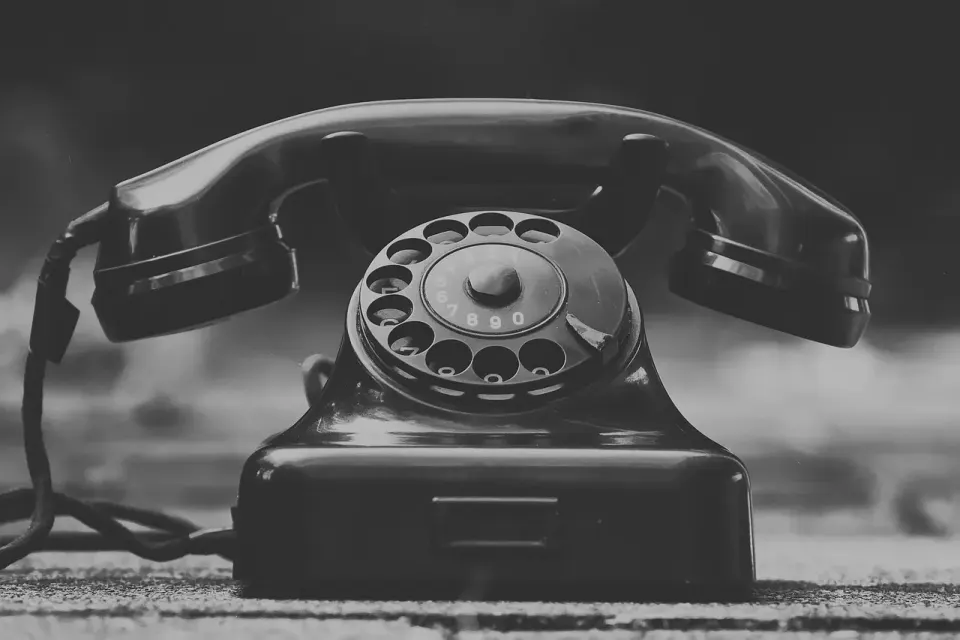
Scammers know people answer numbers that look familiar. So they borrow one. The FTC's alert on neighbor spoofing describes calls that copy the first six digits of your own phone number, the area code and the local exchange.
The idea is simple psychology. A call that looks like it is from down the street might be the school, a neighbor or a local pharmacy. Answering feels responsible, which is exactly the point.
The same trick shows up in texts. A message that seems to come from a nearby number, or from a stranger who has the "wrong number," is often the start of a longer script. We traced how that works in our piece on why the "wrong number" text isn't a mistake.

STIR/SHAKEN: The Digital Signature on Your Calls
STIR/SHAKEN is a set of standards that lets the carrier placing a call sign it digitally, and lets the carrier receiving it check that signature. The odd name stacks two acronyms. STIR stands for Secure Telephone Identity Revisited, and SHAKEN for Signature-based Handling of Asserted information using toKENs.
The core idea resembles a sealed letter. The originating carrier attaches a signed token that says which number placed the call and how sure the carrier is. The receiving carrier checks the seal before ringing your phone. If the seal is broken or missing, the call looks suspect.
How sure the carrier is matters a great deal. The technical standard, RFC 8588 from the Internet Engineering Task Force, published in May 2019, defines three attestation levels. Here is how they compare:
| Level | Name | What the carrier vouches for |
|---|---|---|
| A | Full attestation | It knows the customer and their right to use that number. |
| B | Partial attestation | It placed the call but cannot vouch for the number. |
| C | Gateway attestation | It only knows where the call entered its network. |
The same standard adds an origin ID, a unique code that helps carriers trace a call back to where it started. That traceback is what makes enforcement possible. A signature that proves who sent a bad call is a signature that can be used as evidence.
You can sometimes see the result on your own screen. Some carriers and phone makers show a small check mark or a "verified" note on calls that passed with full attestation. No mark does not mean a call is fake, though. Plenty of honest calls still cross parts of the network that cannot carry the signature.
Where "Scam Likely" Labels Come From
"Scam Likely" and similar tags come from your carrier or a call-blocking app, not from the caller. They combine the signature level with other signals, such as how many calls a number makes, how short they are and how many people report it.
The FTC explains the difference between the two main tools. Call blocking stops a call before it reaches you. Call labeling lets it through but flags it. Both can make mistakes, and the FTC warns that blocking services may also stop calls you actually want.
Complaint data feeds those systems. The FTC says it publishes reported numbers daily so that carriers and app makers can use them. Every report you file helps label the next call a little more accurately. Like the rules behind how your phone clock handles daylight saving time, these lists update quietly in the background.
A label is a probability, not proof. A real pharmacy with an odd calling pattern can be flagged. A scammer with a fresh, signed number can slip through clean. Treat the label as one clue among several.
Why Robocalls Haven't Disappeared
Robocalls persist because the signature system has gaps and scammers adapt quickly. The biggest gap is older, non-internet parts of the phone network. They cannot carry the digital token, so a signed call that crosses them can arrive with its signature stripped off. The Federal Communications Commission (FCC) proposed rules in 2025 to close that gap.
The complaint numbers show the problem is shrinking but not solved. In its December 2025 Do Not Call Data Book release, the FTC reported about 258.5 million active registrations as of September 30, 2025. It said unwanted call reports remain about 48% lower than in fiscal year 2021, when it received roughly five million.
The same release lists what those unwanted calls were selling. Debt reduction offers, impostors posing as government agencies or businesses, and medical and prescription pitches were among the most reported topics. Impostor calls are the ones that lean hardest on a faked number, because the whole pitch depends on looking official.
Yet the trend turned up again. The FTC's January 2026 report to Congress said robocall complaints ticked up in fiscal year 2025, though they stay well below their 2017 peak. The FTC credits its pursuit of VoIP providers that carry illegal calls for much of the long-term drop.
Our reading at Oddworldz is that the easy wins are over. The remaining calls come from people who have learned to buy real numbers, rotate them fast and route around the checks.

What to Do With a Suspicious Call
The safest habits do not depend on trusting caller ID at all. Here is the short routine the FTC's advice adds up to:
- Let unknown numbers go to voicemail. A real caller will usually leave a message.
- Hang up if you answer a robocall. Do not press any number, since that can lead to more calls.
- Call back on a number you already trust. Use the number on your card or statement, not the one that called.
- Turn on your carrier's free blocking or labeling. Most carriers offer at least a basic version.
- Report the call. Use DoNotCall.gov if you lost nothing, or ReportFraud.ftc.gov if you did.
One more layer helps with the scams that follow these calls. Many end with a link to a fake login page, and that is where a passkey refuses to work on a fake website. A call can lie about its number. A passkey checks the real address.
The Bottom Line on Caller ID Spoofing
Caller ID was never a verified fact. It is a claim, and for decades nothing checked it. STIR/SHAKEN adds a signature and a trust level, which is why your phone can now warn you about some calls before you answer. Those warnings get better as more carriers sign their calls and more people report the bad ones.
The system still has holes, and scammers live in them. So treat any unexpected call asking for money or information as unverified, whatever the screen says. If the claim sounds too neat, check it twice, and call back on a number you found yourself.
How do scammers spoof a phone number?
What does Scam Likely mean on my phone?
What is STIR/SHAKEN in simple terms?
Why am I still getting robocalls in 2026?
In this story 7 sections
Keep Reading
All stories

The Odd List · Fridays