Undersea Cable Fault: Why It Slowed Pakistan's Internet
Pakistan's regulator confirmed a fault on the SEA-ME-WE 5 cable. Here is what is known, why one break slows a country, and what remains unclear.
In this story 9 sections
An undersea cable fault slowed Pakistan's internet because most international traffic leaves a country through a few subsea cables. On November 18, 2026, the regulator reported a fault on the SEA-ME-WE 5 system about 11 kilometers offshore. Traffic was rerouted, but the remaining links had to carry more load.
This explainer covers what an undersea cable fault is, what is known about the Pakistan incident, and why a break far out at sea can slow a video call at home. It is written for anyone who has wondered how the internet physically crosses oceans. At Oddworldz, we separate what officials have confirmed from what is still a guess, so the unknowns get their own section below.
What Is an Undersea Cable Fault?
An undersea cable fault is a break or failure in a cable on the seabed that carries internet traffic between countries. Light pulses travel through glass fibers inside the cable. When the fibers are cut or a component fails, that route stops carrying data.
A fault does not always mean total darkness. Most countries connect through several cables. When one fails, networks shift traffic to the others. The trouble is that the others were already busy with their own traffic.
Near shore, cables are usually wrapped in extra armor because ship anchors and fishing gear are a risk. Farther out in deep water, the cable is thinner and lies on the seabed with less protection.
What Happened to Pakistan's Internet?

Pakistan's telecommunications authority, the PTA, confirmed that connectivity problems were tied to a failed international submarine cable, according to Tom's Hardware. The cable is SEA-ME-WE 5, often shortened to SMW5. It links the region with European networks through the Middle East.
The PTA said the fault was about 11 kilometers from the shore and could cause intermittent connectivity and a drop in service quality. Transworld Associates, the operator responsible for the cable landing in Pakistan, is working with the SMW5 Consortium to investigate. That detail comes from the PTA's statement as reported by The National.
Measurements backed up what users felt. The same report quotes a Cloudflare Radar post saying that web traffic, measured in HTTP bytes, dropped by as much as 36 percent. That is a large fall for a country's total traffic, and it shows the cable carries a big share of Pakistan's connection to the wider internet.
A second monitor saw the same thing. According to Brandsynario, the internet watchdog NetBlocks reported a decline in connectivity in Pakistan that was consistent with a fault on the SMW5 system. Two independent measurements agreeing with the official statement makes the cable explanation easy to trust.
This was not the first time. Brandsynario notes that Pakistan had a fault on the same cable system in July, which the PTA said was fixed on July 3.
Which Services Felt the Fault Beyond Slow Web Pages?
The effects reached official services. Arab Times reports that the Pakistan High Commission in London suspended some identity, passport and visa services during the disruption. That shows how many everyday systems quietly depend on a link to servers abroad or at home.
Services that need a live connection to a central database are the most exposed. A paper form can wait. A real-time check against a national record cannot. When the path to that record slows, the counter service stops, even if the office has power and working computers.
Why Do Subsea Cables Carry Almost All International Data?
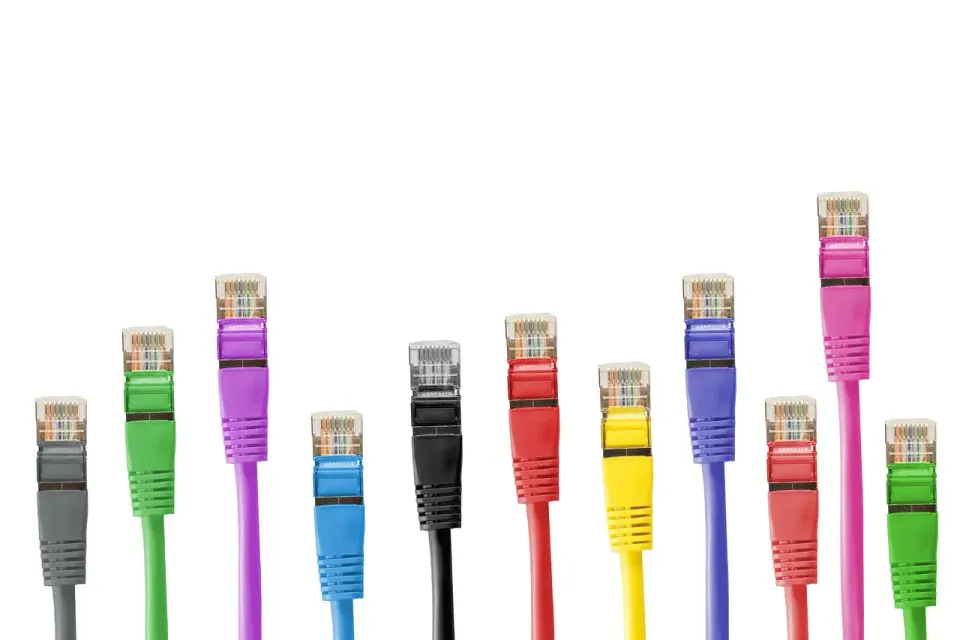
Because glass fiber on the seabed is the cheapest and fastest way to move huge amounts of data across oceans. The Congressional Research Service (CRS) says in its report on protecting undersea telecommunication cables that commercial cables carry about 99 percent of transoceanic digital communications. That includes voice, data and internet traffic, plus financial transactions.
The Department of Homeland Security (DHS) gives the same figure in its white paper on subsea cable security and resilience. It estimates that cables handle around 99 percent of intercontinental data traffic.
That number explains a lot. When a single cable breaks, the effect is not a minor inconvenience. A whole region can lose a large part of its path to overseas websites, cloud services and video platforms.
Think of it as a highway system with only a few bridges over a wide river. If one bridge closes, traffic does not stop. It piles onto the other bridges, and every trip takes longer.
This is why engineers care about redundancy. More cables and more landing points mean more routes to choose from. A country that depends on a handful of cables, or on landing points close together, has less room to absorb a failure.
Why Does Rerouting Keep the Internet Running but Slow?
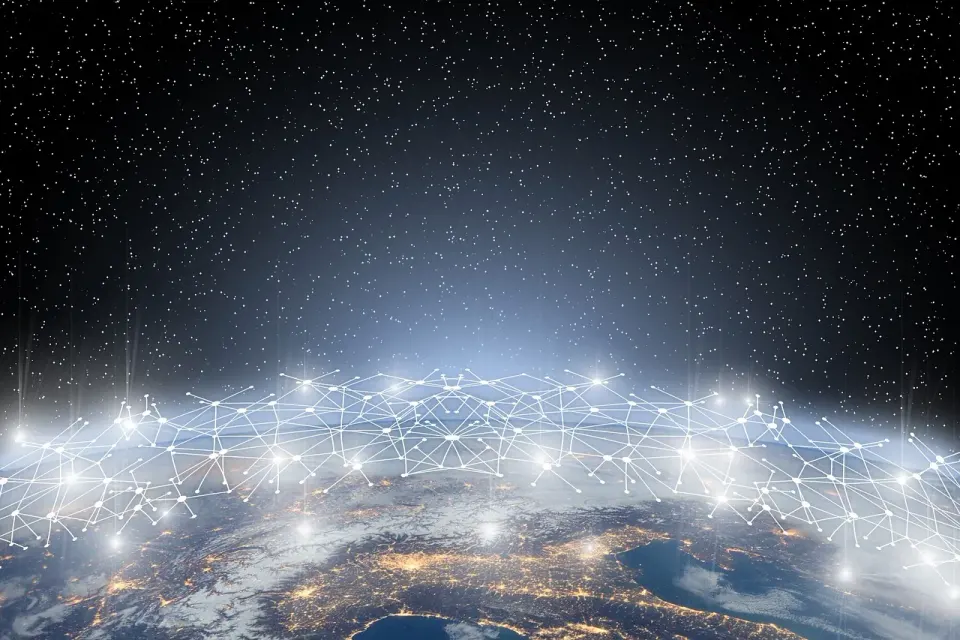
Rerouting works because the internet is built from many independent networks that can choose a different path. When a route disappears, routers learn about new routes and send traffic there. The PTA said traffic was being redirected through alternative international links to limit the disruption.
The cost is capacity and distance. A backup route may be longer, which adds delay. It may also be smaller, so it fills up and drops packets. Users see slow pages, buffering video and calls that stutter.
The impact is uneven. Content that is already stored nearby, such as popular videos cached inside the country, may load normally. Anything that must reach a faraway server, such as a live call or a fresh login, feels the pinch first.
Not every outage is a broken cable. Our explainer on how one bad setting silenced a DNS service shows a failure that came from software configuration, not physical damage. The Microsoft 365 outage we covered worked differently: our explainer on how health checks can spread a failure shows automated checks, not hardware, spreading the damage. A good rule is that a cable fault is slow and regional, while a bad setting can be sudden and global.
How Are Broken Subsea Cables Repaired?
In general, a broken cable needs a specialist repair ship. The crew locates the fault, lifts the cable from the seabed, replaces the damaged section and lowers it again. The work depends on weather, sea conditions and permission to operate in local waters. That is why repairs take days or longer rather than hours.
For Pakistan, no restoration time had been announced as of November 19, according to the reports above. Until then, users depend on the remaining cables. A fault close to shore, like this one at 11 kilometers, can be easier to reach than one in deep ocean, but that does not guarantee a quick fix.
The wider story of how the internet measures and labels outages is covered in our piece on how internet shutdowns work, based on Cloudflare's Q2 2026 report. It is a useful companion if you want to know how analysts tell a deliberate shutdown from a technical fault.
What Do We Not Know Yet?
Quite a lot. The cause of the fault has not been announced. Some outlets noted tensions in the wider region, but a mention of context is not evidence. Cable faults can have ordinary causes, such as ship anchors, fishing gear or equipment failure, and nobody has said which applies here.
Here is what is confirmed and what is not:
- Confirmed: a fault on SMW5 about 11 kilometers from the Pakistani shore.
- Confirmed: traffic was rerouted through other international links.
- Reported: web traffic fell by as much as 36 percent.
- Unknown: the cause of the fault.
- Unknown: when the cable will return to service.
Our editors will update this explainer if the PTA or the SMW5 Consortium publishes a cause or a repair date.
What Can You Do When a Cable Fault Slows Your Connection?
You cannot fix a cable, but you can make a slow connection easier to live with. Try these steps in order.
- Check your provider's status page or social account before resetting your router.
- Postpone large downloads and software updates until speeds recover.
- Lower video call quality or switch to audio only.
- Use offline copies of documents and maps when you can.
- Check a public outage tracker to see if the problem is national.
The first step matters most. A router restart can cost you time and fix nothing when the problem sits thousands of kilometers away.
Conclusion
The Pakistan incident is a reminder that the internet is physical. A glass fiber on the seabed, a short distance from a beach, can change how a country experiences the web. Rerouting keeps the lights on, but it cannot add capacity that does not exist.
The lesson reaches beyond one country. Any place that relies on a few subsea cables can see the same slowdown when one fails. Better mapping of routes, more landing points and faster repair plans all reduce the damage, even though none of them can prevent a fault.
For now, the facts are a confirmed fault, a rerouted network and an open question about the cause. Oddworldz will keep the unknowns labeled as unknowns until the operators say more.
What caused Pakistan's internet slowdown in November 2026?
Why does one undersea cable fault slow a whole country's internet?
How long does it take to repair an undersea cable?
Is my own router the problem during a cable fault?
In this story 9 sections
Keep Reading
All stories
The Odd List · Fridays