Brain-Like AI? What a York University Study Says Vision Models Get Wrong
AI vision models can predict brain activity, but the brain cannot predict many of their parts. Here is what that test shows and what it does not.
In this story 7 sections
A York University study in Nature Machine Intelligence found that AI vision models predict brain activity well, yet the brain cannot predict many of the models' internal parts. The test is called reverse predictivity. It suggests brain-like AI often reaches the right answer with strategies the primate brain does not appear to use.
Headlines love to call AI "brain-like." This explainer covers what that phrase measures, how the York team tested it, what they found and what the result does not prove. It is written for curious readers who want the claim checked rather than repeated.
Oddworldz reads the research behind these headlines so you can skip the jargon. Press coverage of this study landed in late November 2026, though the paper itself appeared in Nature Machine Intelligence in March 2026.
What Does "Brain-Like AI" Actually Mean?
In neuroscience, "brain-like" usually means a model's internal activity predicts what real neurons do when they see the same image. It does not mean the model thinks, feels or understands anything the way a person does.
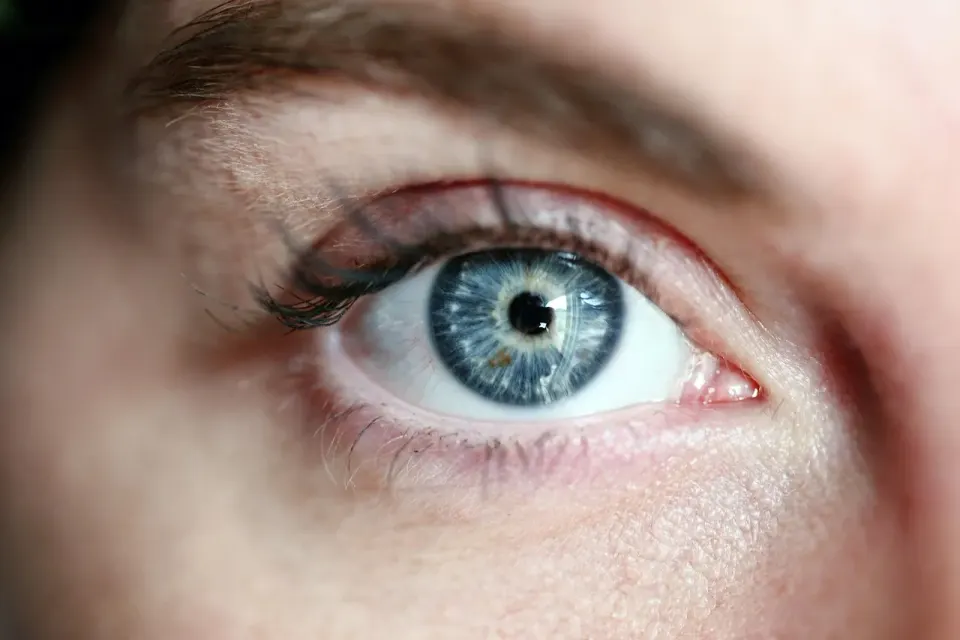
The models in question are artificial neural networks (ANNs), software that learns to label images such as "dog" or "chair." For about a decade, researchers have compared them with the primate visual system. The National Eye Institute (NEI) describes the visual cortex as the part of the brain that processes signals from the eyes, and it is the region these models are tested against.
The standard test runs in one direction. Show a photo to both the model and an animal, record the neurons, then check whether the model's features can predict the neural responses. Scientists call that forward predictivity. A high score made the model look like a good stand-in for the brain.
The weakness is that a good prediction can come from a lot of different machinery. Think of two clocks that show the same time. One may be digital and the other a wind-up spring, and the shared reading tells you little about the insides.
What Is Reverse Predictivity and How Was It Tested?
Reverse predictivity asks the opposite question. Instead of asking whether a model predicts neurons, it asks whether recorded neurons can predict the model's internal units. If the two systems truly work alike, the prediction should succeed in both directions.
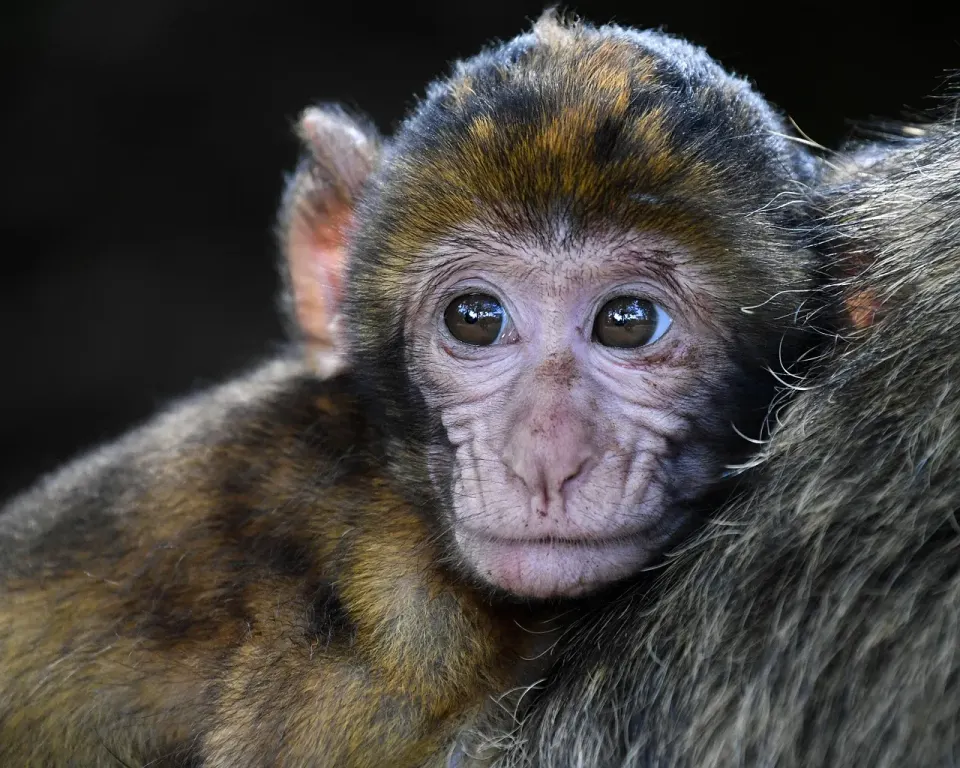
The study's paper in Nature Machine Intelligence defines the metric using recordings from macaque inferior temporal (IT) cortex, a late stage of the visual pathway. Its extended data compares 39 different models, from older convolutional networks to newer designs.
According to the ScienceDaily summary of the York release, the team used 1,320 photographs and realistic synthetic images. They showed ten familiar subjects: a bear, an elephant, a face, an apple, a car, a dog, a chair, a plane, a bird and a zebra. They also added 300 images in other styles, including outlines, drawings and simplified artistic versions.
Those style changes matter. A sketch of a dog strips away fur texture and color but keeps the shape. A system that recognizes objects the way a primate does should still cope.
The table below sets the old test beside the new one and the brain-to-brain baseline.
| Test | Question it asks | What a high score shows |
|---|---|---|
| Forward predictivity | Can model features predict neuron responses? | The model captures much of what the brain does |
| Reverse predictivity | Can neuron responses predict model units? | The model holds little that the brain lacks |
| Brain-to-brain comparison | Can one brain's neurons predict another's? | How alike two real brains are |
What Did the Study Find About AI Models and Brains?
The study found a lopsided relationship. AI models predicted the recorded neurons fairly well. The neurons were much worse at predicting many of the models' internal features. Brain-to-brain comparisons did not show that gap.
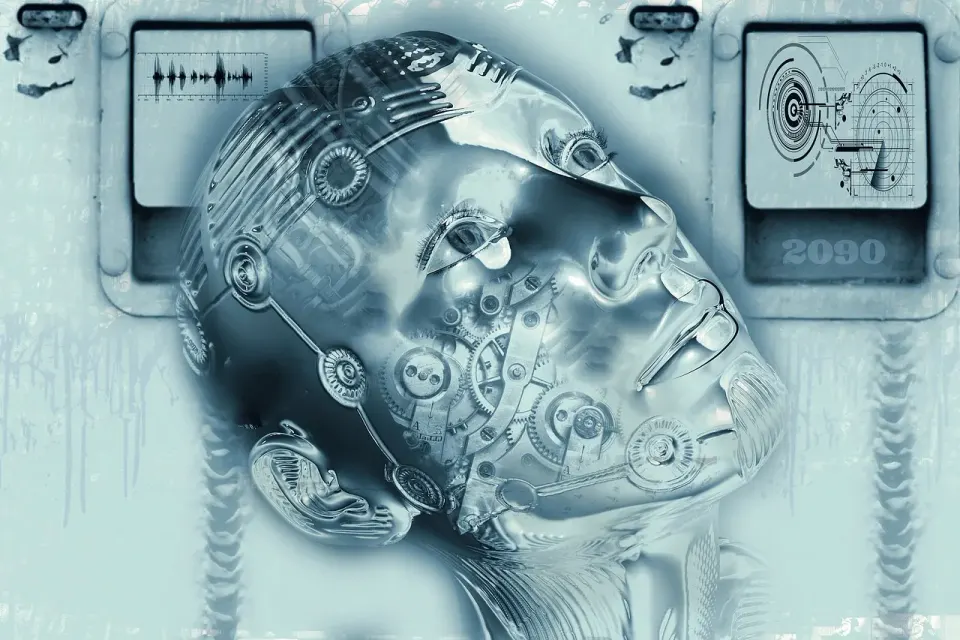
The Nature abstract says only a subset of a network's units align with primate brain responses. It separates "common" units, which are shared with IT cortex and generalize across species, from "unique" units that lack that alignment. In the paper's framing, networks and brains are substantially misaligned, while two primate brains line up strongly in both directions.
In plain terms, part of a vision model looks brain-like and part does not. The brain-like part is useful. The rest is machinery the brain data cannot account for.
The earlier preprint on bioRxiv gives a sense of the baseline. It reports that how much of the IT cortex variance the models explain typically hovers around 50 percent across architectures. That is a decent score, but it leaves half the story open.
A fair reading is that the old test flattered the models. Because it only looked from the brain's side, any extra machinery inside the network stayed hidden. Reverse predictivity switches the lights on for that extra machinery, and the study suggests there is a lot of it.
One result points the other way. Senior author Kohitij Kar said the parts of the models that align with the brain also do a better job predicting human behavior. So the common units are not just decoration.
Does This Mean AI Does Not Think Like Us?
No. The study does not test thinking at all. It tests one narrow thing: how closely the internal features of image-recognition networks match the neurons of macaques viewing pictures. The result says something about vision models, not about every AI system.
Headlines tend to stretch a finding like this into "AI is nothing like a brain." The paper does not say that. It says a high prediction score alone is not enough evidence that two systems share a mechanism.
We see the same urge in other AI stories, where a technical result gets dressed in human motives. Our explainer on the "pain direction" inside AI models covers a preprint where the signal was real but the human-sounding label overreached. The lesson carries over here: separate what was measured from what was imagined.
There are real limits to note. The recordings come from macaques, not people. The tasks involve recognizing objects, not language or reasoning. And an AI can still be a useful tool without being a faithful brain model. A related caution comes from our report on alignment faking in AI models, where behavior seen from outside did not tell the whole story.
Why Does It Matter for Neuroscience and Everyday AI?
It matters because scientists use these models to design experiments and study conditions such as autism. If a model only looks accurate on the surface, researchers could draw wrong conclusions from it. The York team says the same concern may apply to models of hearing, language and movement.

Brain recordings are slow and costly to collect, which is why models are tempting stand-ins. A stand-in is only as good as the match behind it.
The researchers frame the work as a fix, not a rejection. By finding which model parts match real neural activity, they can build models that are more reliable for science. They also released a public toolkit so other teams can run the diagnostic on their own models.
The National Institutes of Health (NIH) shows how many separate pieces the real system has. One NIH report describes a brain region crucial for recognizing visual events, which is a reminder that vision is not a single switch.
For everyday users, the practical point is about trust. A model that works well is not automatically a model that works the way you assume. Another Oddworldz piece, on whether a model can notice an injected thought, makes the same point about AI self-reports: what a system says about itself is not a direct readout of its insides.
How Can You Spot the Gap Yourself?
You can try a small experiment at home. Take a photo of a familiar object, such as a mug, and run it through a free image-recognition tool. Then draw a rough outline of the same mug and run that too. Compare the labels.
If the tool handles the photo but stumbles on the sketch, you have seen a tiny version of the mismatch. People recognize a cartoon mug instantly. Models often need training on drawings to manage it.
Keep your expectations modest. A single app is not a lab test, and the result depends on the tool you pick. Treat the exercise as a way to feel the idea, not as a measurement.
When you read the next "brain-like AI" headline, ask three questions. Which brain, and which task? Was the model checked in one direction or both? And does the claim go beyond what was actually measured?
Conclusion: Close, but Not the Same Machine
The York study does not say AI vision is useless or fake. It says a good match in one direction can hide big differences in the other. Models can still be strong tools, so long as scientists check how far the resemblance goes.
This is a useful habit for any AI story. Ask what a result measured, in which direction and on whom, before you accept the label on the headline.
The next time a company or a headline calls a system brain-like, treat it as a hypothesis. Look for the test behind it, and check whether the test ran both ways.
What is reverse predictivity in AI brain research?
Does the York study prove AI cannot think like a human?
Which journal published the reverse predictivity study?
Can I check whether an AI model is brain-like myself?
In this story 7 sections
Keep Reading
All stories

The Odd List · Fridays